
In a previous post on this website called “The Clements and Gamwell Families, Our English Ancestors in the Victorian Period” I explored the ancestors of my wife Debbie’s maternal grandparents. Robert Clements and Peggy Gamwell both emigrated from England in 1924, recent enough that I could determine their, and their families, relationships, occupations and culture in a common foreign land. This common heritage in a parentage that Debbie and I both knew and grew up with is unique in Debbie and my family history stories.
This post will review Debbie’s father, Robert Brown’s ancestors. These people, a blend of Irish, Scottish, German, Ontario-Canadian Mennonites and colonial Americans, are (although fascinating) a more typical blend of genealogical potpourri. One of the more interesting aspects of this group is how they, and their extended families, came together to become a rather large and significant contribution to the pioneering story of the Oregon territories and specifically it’s eventual capitol, the city of Salem. The challenge in this review will be to keep track of the players in this story without getting lost in a mélange of characters and family names.
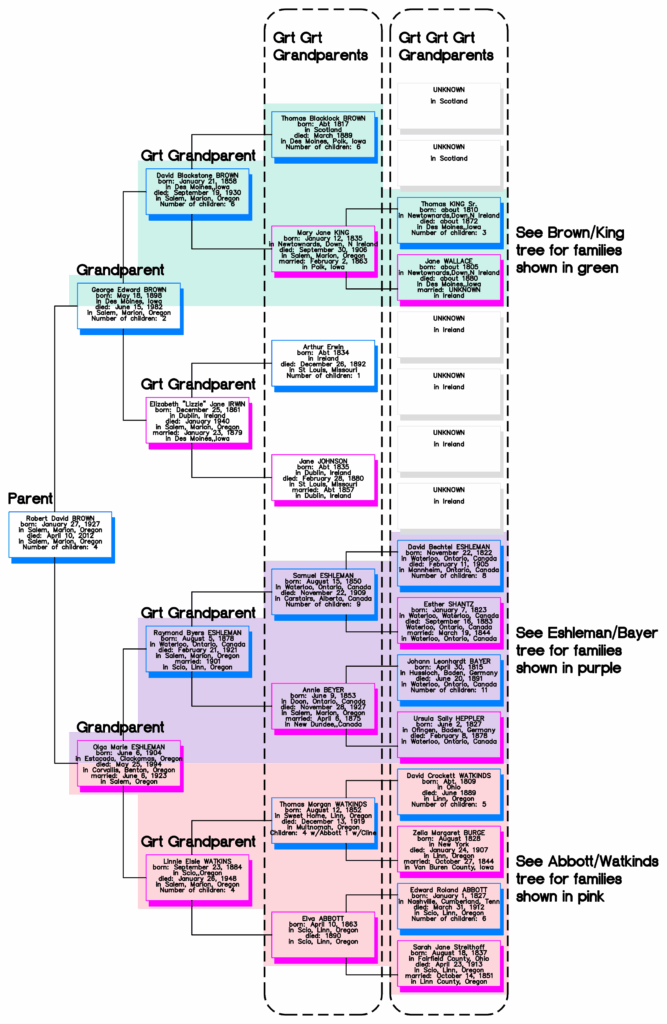
I find it helpful to start with a direct ancestral tree. This type of tree strips out all the siblings and in-laws and lists only direct parentages. The ancestral tree below ends with Debbie’s father, Robert Brown, and shows the four generations of his known direct ancestors. This tree shows the stream of ancestral families; Brown, King, Wallace, Irwin/Erwin, Johnson, Eshleman, Shantz, Beyer/Bayer, Heppler, Burge, Abbott and Streithoff, that flowed into Bob Brown’s family river.
Here is Debbie’s paternal ancestral tree:
Brown and Irwin Families
The green, purple and pink shading in the ancestral tree identifies the family groups that have separate extended family trees included in this post. Debbie’s great grandmother Lizzie (Irwin) Brown doesn’t have an extended Irwin family tree because I haven’t yet been able to discover any further information beyond what is shown on this ancestral tree. This “genealogical wall” is due to her birth in Dublin, Ireland in 1861, a period of massive emigration. Ireland’s population decreased from 8.2 million in 1841 to only 4.7 million in 1891 primarily from a devastating famine started by an 1845 potato blight causing death and immigration to America seeking better opportunities. Finding family documentation in Ireland during this period has been a challenge.
I’ve been able to reach one generation further back on Debbie’s patronymic Brown lineage, shown in green highlight on the above ancestral tree. Her great great grandfather, Thomas Blacklock Brown, was born in 1817 Scotland. Thomas came to America through Ellis Island on the ship “England” in April of 1847 and found his way to Des Moines, Iowa by the mid 1850s.
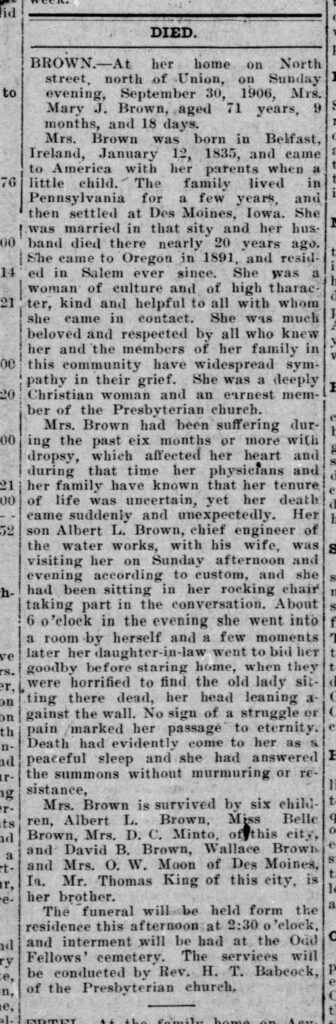
Debbie’s great great grandmother, Mary Jane King, was born in Belfast, Ireland in 1835 and arrived in America as a young girl with her parents and two brothers in 1841. The King family initially moved to Pennsylvania before settling in Des Moines. This early history is known from the benefit of Mary’s 1906 obituary in the Oregon Statesman Journal:
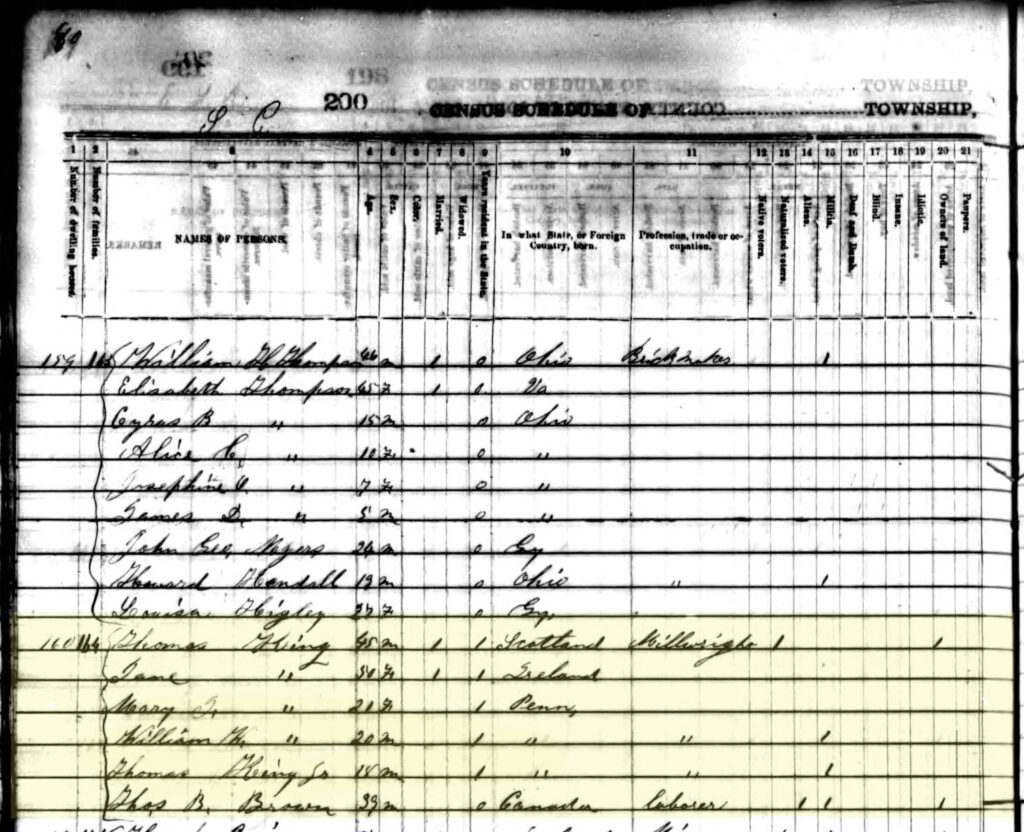
The 1856 Iowa state census shows that 39 year old Thomas Brown was hired as a laborer to help out on the King farm and lists Thomas living with Mary King, her parents, Thomas and Jane (Wallace) King, along with Mary’s two younger brothers William and Thomas Jr. Three Thomas’ in one household must have been confusing because Thomas Brown’s birth country is shown on the census as Canada, yet no one in the household was born in Canada. By 1850, the Port of Quebec handled two-thirds of European immigration to British North America, so, it’s likely that the King family came to America via Canada. The Irish and Scottish accents seems to have confused the census taker and perhaps a discussion of where they were from was confused with place of birth. The King children are shown as born in Pennsylvania, which is where they lived previous to Iowa, yet they were born in Ireland.
Despite their 18 year age difference, the familiarity of living in the same household seems to have sparked a relationship between Thomas Brown and Mary King and their first child (and Debbie’s great grandfather), David Blackstone Brown, was born in 1858 in their home a few miles away in Madison, Iowa. Thomas and Mary continued to farm in Polk County, Iowa for the next thirty years raising their family of four boys and two girls.
In January of 1879 twenty-one year old David, Thomas and Mary’s oldest child, married Elizabeth “Lizzie” Erwin. Lizzie was living in neighboring Missouri with her parents, the Erwin family having recently emigrated from Ireland. David’s mother, Mary, also born in Ireland, may have shared social organizations with the Erwin family. David and Lizzie remained in the Des Moines area to raise their family of four boys and one girl, David working as a machinist, a skill that he continued throughout his life.
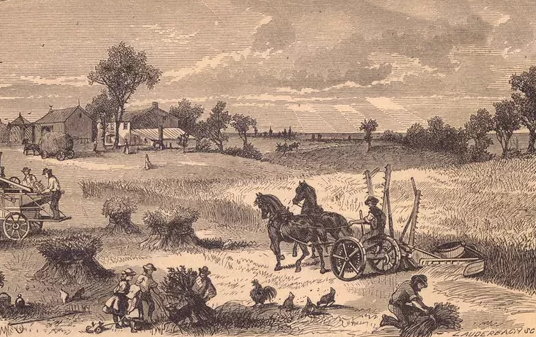
Although the above engraving portrays a rather bucolic mid-nineteenth century agricultural scene, I suspect the King and Brown families’ experience in Iowa during this period was one of subsistence. Thomas remained in Iowa until his death in 1889 at the age of 72, however, five out of six of their children along with their mother Mary eventually abandoned Iowa and traveled over 1,800 miles seeking a better life in a young Oregon state. They didn’t leave all at once and most left with young families of their own beginning in 1873 with the last arriving in 1913. Mary moved to Salem in 1891, two years after her husbands death.
It’s always interesting to me what triggers the first members of a large extended family relocation on a journey of hundreds of perilous miles to a land that they’ve only heard of and never seen. John Patterson appears to be this family’s trigger. Mary King, Debbie’s great great grandmother, had a younger brother, Thomas King Jr, who married Margaret “Lina” Patterson in April of 1868 in Iowa. John Patterson was Lina’s father.
Here’s an extended Brown and King family tree showing Mary King and her brother Thomas King Jr and his wife Lina Patterson in the “Great Great Grandparents” generation:
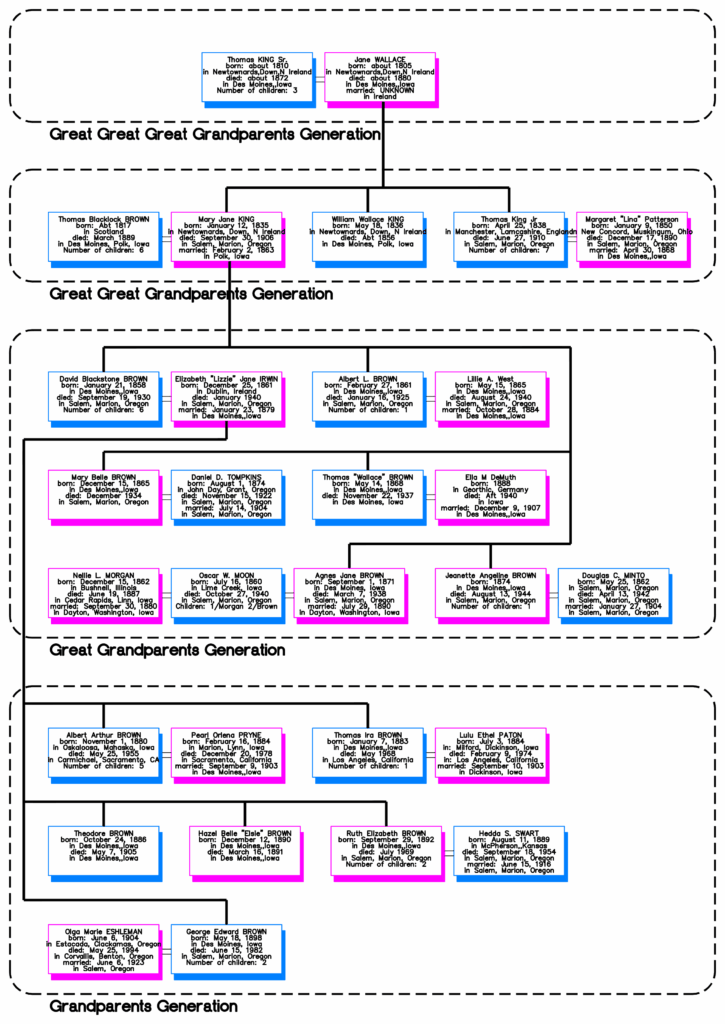
John Patterson has a short biography on a website called “Find a Grave”:
“Though born in Pennsylvania, he moved to Ohio when but a young man, where for a period of time he farmed, then went into merchandising. He married Eliza Glenn. He decided to head for the state of Oregon and going via Panama in 1862. He settled in Salem, Marion County, where he assisted in building the first sawmill. He worked in that sawmill until 1865, then went back east to Iowa where he pursued the same field. In 1868 he sold out and once again returned to Salem. Here he purchased an interest in the sawmill and that was his life long work.”
Further research corroborates this bio and we can also learn that when John made his initial journey from Union, Ohio to Oregon in 1862 he was 42 years old. He left behind his 46 year old wife, Eliza, son Jeremiah age 16, and two daughters; Lina 12, and new-born Sarah. An interesting detail in the short bio is the information that John traveled on this first trip west via Panama. In 1862 the fastest way to get to California from the east was to take a steamer, most likely onboard a Pacific Mail Steamship Company vessel, from New York to Panama, traverse the isthmus, and continue by steamship to San Francisco. This trip was expedited in 1855 with railroad construction across the isthmus shortening the previous mule trail journey by several days.
In John’s absence the Patterson family appears to have relocated to Iowa and established a relationship with the King family. When John and Eliza make their final move to Oregon in 1868, Lina was 18 and recently married to 30 year old Thomas King Jr., the young couple choose to remain in Iowa until moving to Salem in 1873.
Thomas King Jr apparently sent back glowing reports of life in Salem as a machinist to his older sister Mary, Debbie’s great great grandmother, because 5 of 6 of Thomas and Mary (King) Brown’s children and their families ended up relocating to Salem. Around 1890 their second child, Albert, at age 29 and his wife Lillie (West) age 25 along with their only child Blanche age 5 were the first of the Brown families to follow their Uncle Thomas and Aunt Lina to Salem, Oregon. Their journey was certainly different from the months long wagon train migrations of the 1840s to 1860s. A crucial link to Oregon was completed in 1887 with the Southern Pacific Railroad extending to Ashland, Oregon, connecting Portland with San Francisco and allowing the trip from Des Moines to Salem to be made in about a week.
After Thomas Brown died in Des Moines in 1889, his wife, Mary (King) Brown at age 65 made the trip in 1891 to Salem with her two unmarried daughters, Mary Belle 35, and Jeanette 26. It was a testament to the change in perception of the safety of this journey west that the three women would undertake it.
In 1904, Thomas and Mary (King) Brown’s fifth child, Agnes Brown, and her husband, Oscar Moon, moved their family from Des Moines to Salem where Oscar continued working as a railroad engineer.
Debbie’s great grandparents David and Lizzie (Irwin) Brown were the last of Thomas and Mary Brown’s children to relocate to Salem in 1913. On the 1910 US Census, David listed his Des Moines occupation as still being a machinist, however, he also indicated that he was currently not working. David and Lizzie were both 55 when they made the trip with their two youngest children, Ruth age 20 and George age 15. Two of their children had already passed and two were married and stayed in Des Moines with their families.
Eshleman and Watkinds Families
Before we follow Debbie’s paternal grandfather’s side of the family to Oregon, let’s take a look what we know about her father’s mother’s ancestors, the Eshleman and Watkinds families shown highlighted in purple (Eshleman/Beyer) and pink (Watkinds/Abbott) on the Brown and Eshleman ancestral tree, and what brought them west.
Debbie’s great great grandfather on her grandmother’s side of the family, Samuel Eshleman, is included in a biographical history of early settlers of Waterloo, Ontario, Canada written by Ezra E. Eby in 1895. These settlers were members of the Mennonite community that originally settled in Pennsylvania in the late 17th century seeking refuge from European persecution. During the American revolution a portion of this Pennsylvania community underwent a second migration to Ontario due to their strong objection to military service and abhorrence of warfare as part of their Mennonite faith. Due to the Mennonite sect’s meticulous documentation of their membership, once ancestral evidence is confirmed, it’s possible to trace ancestry for hundreds of years.
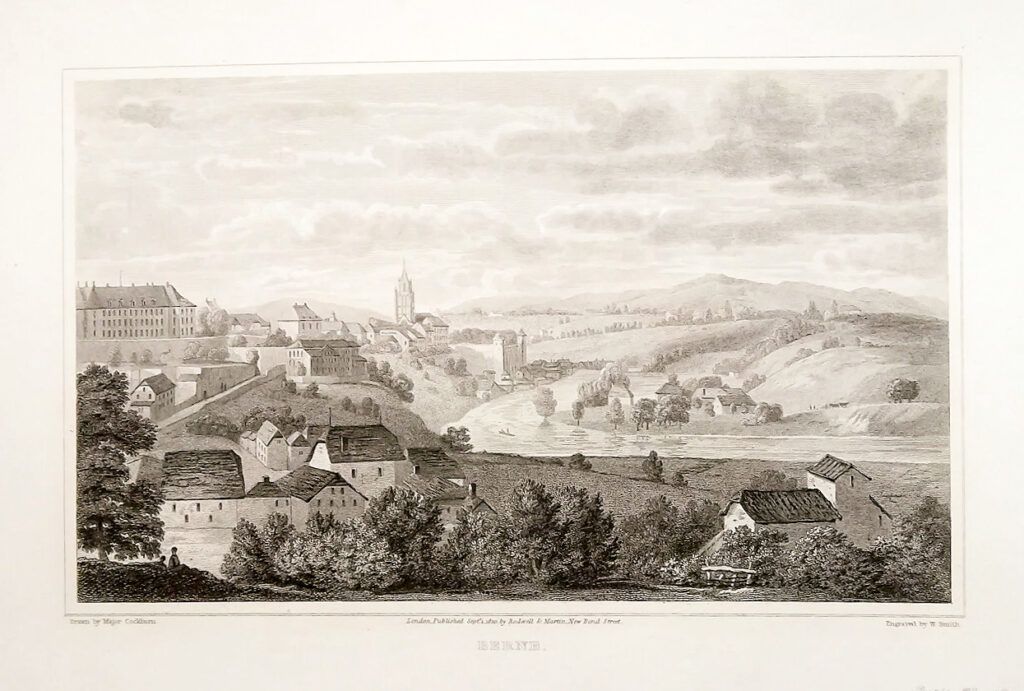
Samuel Eshleman was the second son born to David and Esther (Shantz) Eshleman on August 15, 1850 in Doon, Waterloo, Ontario, Canada. Samuel’s namesake grandfather was born in Lancaster, Pennsylvania and moved to Waterloo during the American revolutionary war period. Samuel’s great great grandfather, Jacob, was born in Langnau, Bern, Switzerland in 1722 and arrived in Philadelphia, Pennsylvania with his family in 1731. Eshleman (Aeschlimann) ancestors can be traced back to the early 1500s in the Bern region of Switzerland.
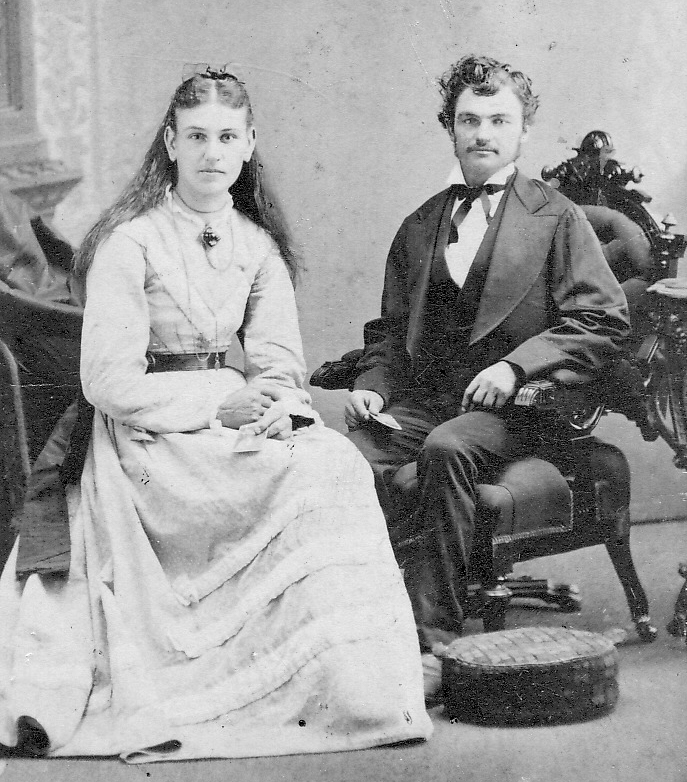
Annie Beyers, Debbie’s great great grandmother on her grandmother’s side, was the fourth of eleven children born to Johann and Ursula (Heppler) Bayer on June 9, 1853 in Waterloo, Ontario, Canada. Johann and Ursula were both born in the Baden region of Germany, were of the Lutheran faith, and immigrated to Canada shortly after they married around 1845.
In 1835, approximately 70% of the population of Waterloo County was Mennonite but by 1851, only 26% of the much larger population were of this religion. This was due to the large wave of new German migrants from Europe, particularly between 1830 and 1850.
On April 6, 1875 24 years old Samuel Eshleman and 21 years old Annie Beyers were married in New Dundee, Ontario, about 18 miles south of Waterloo.
Here’s the extended family tree for Samuel and Annie (Beyer) Eshleman’s family. This tree continues from Debbie’s great great grandparents (Samuel and Annie) to her great grandparents, Ray and Linnie (Watkinds) Eshleman, and down to her grandparents, George and Olga (Eshleman) Brown:
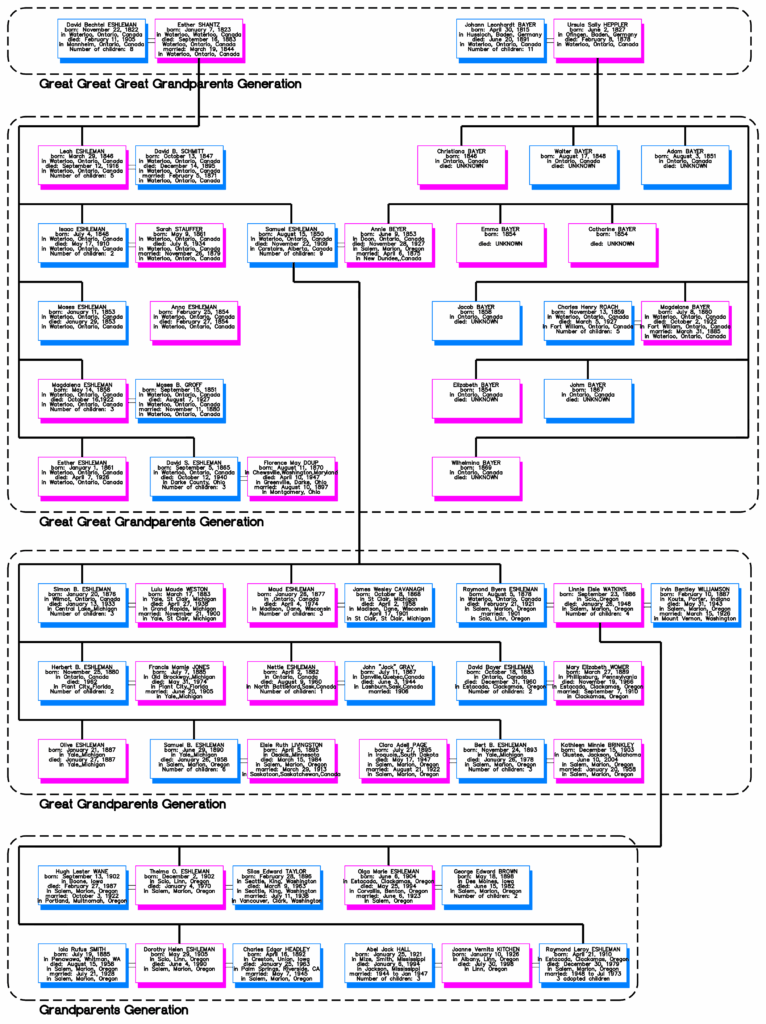
The 1881 Canadian Census lists Annie and the couple’s four children as being Lutheran, however, Samuel did not declare a religious preference on the census. So, Samuel’s inclusion in Eby’s 1895 Mennonite lineage provides a valuable genealogical history of his family but that’s where the Mennonite story ends for this Eshleman family.
The 1900 US Census tells us that Samuel and Annie’s family immigrated to Brockway Township, St Clair County, Michigan in 1887 and that Samuel became a naturalized US citizen. All of Samuel and Annie’s children are still living at home. The largest employer in the township in 1900 was Yale Woolen Mills and several of the children are employed in this textile industry.
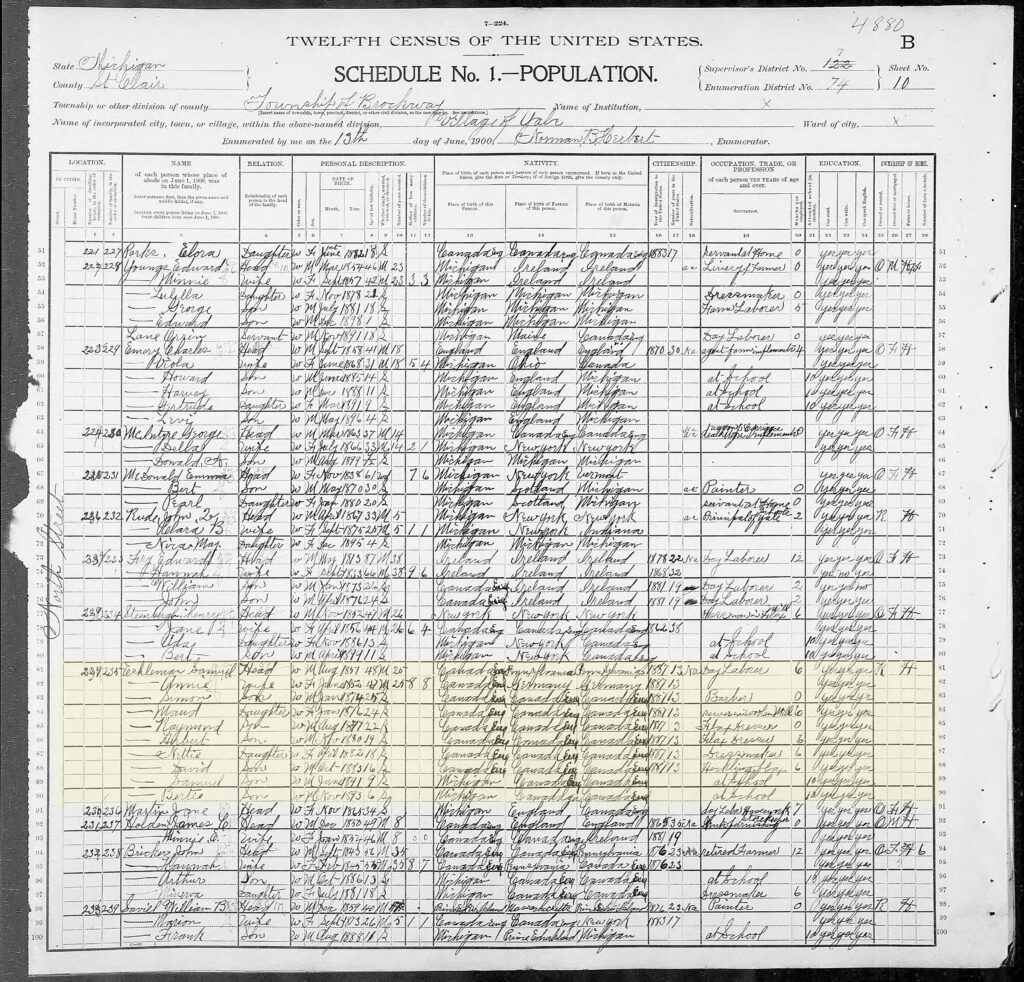
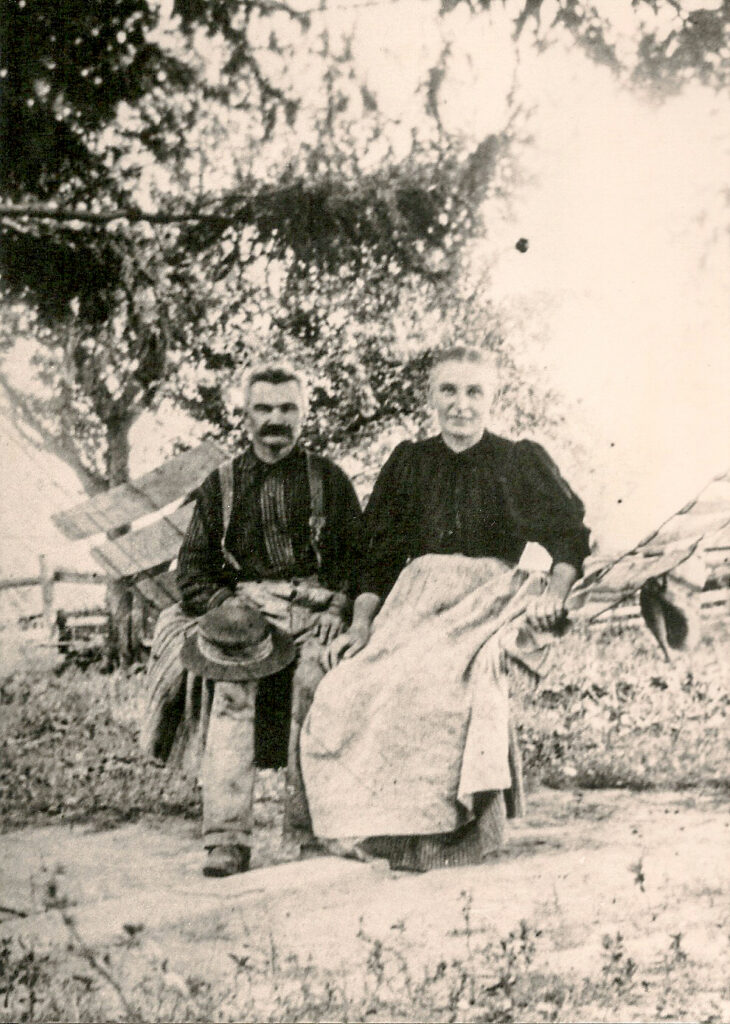
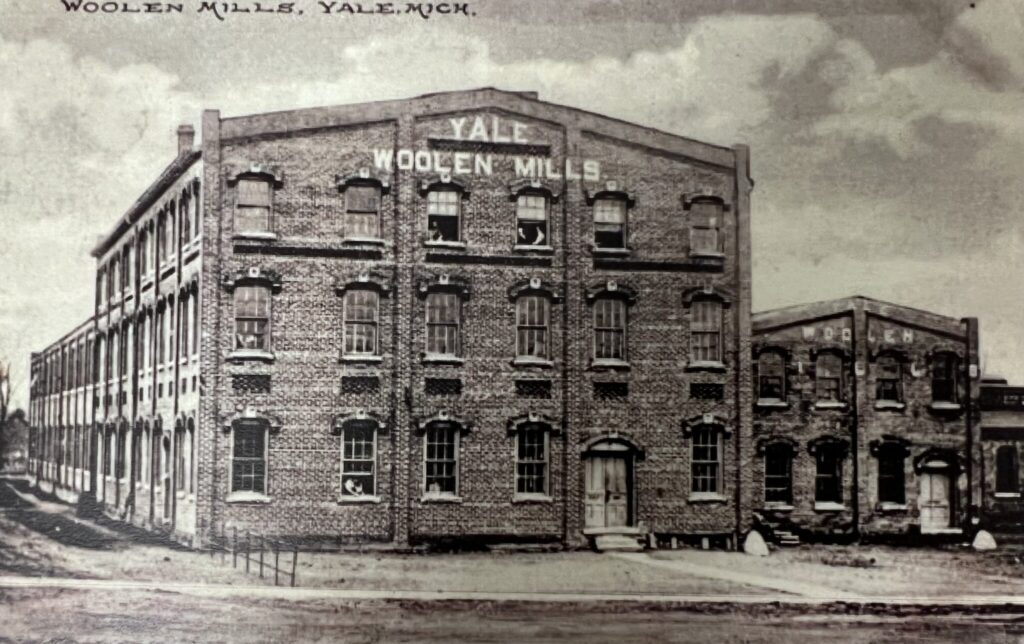
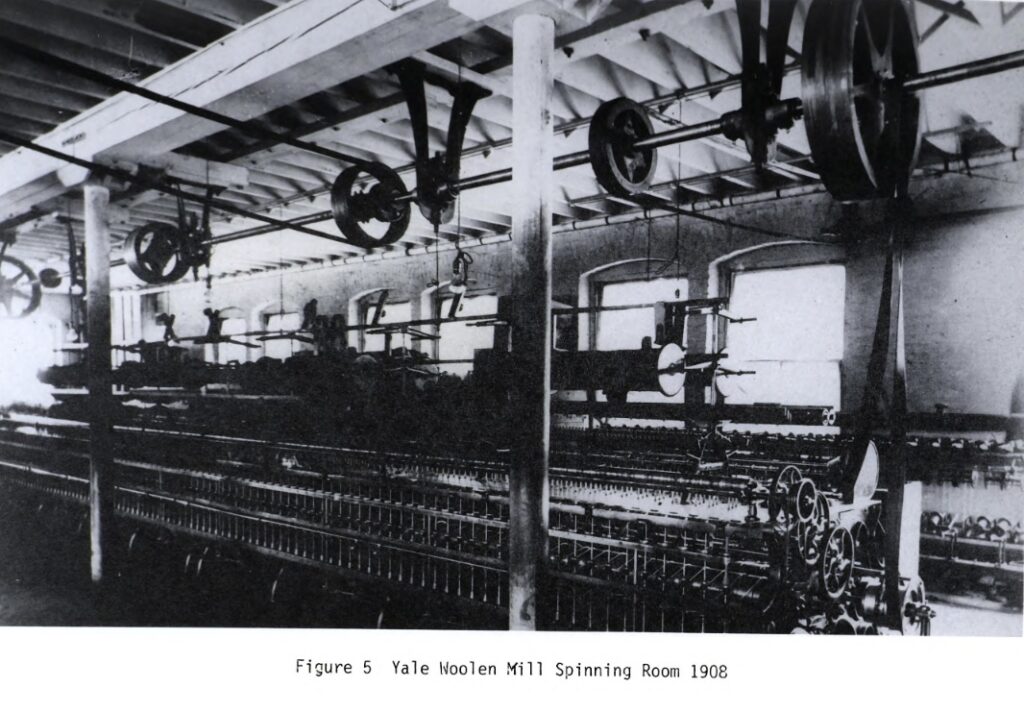
In June of 1900 Debbie’s great grandfather, Samuel and Annie’s third child, Raymond Byers Eshleman, was working in the textile mills of Yale, Michigan. On April 15, 1901 Ray appears as a boarding house lodger in Calgary, Alberta, Canada working as a farm hand.
Later in 1901, Ray now 23, marries a life-long Oregonian, Linnie Watkinds, sixteen years of age, in Scio, Oregon. Linnie was the youngest of four children born to Thomas and Elva (Abbott) Watkinds. Linnie’s ancestors were early Oregon pioneers, she was a fourth generation Oregonian on her mother’s (Abbott) side of the family and third generation on her father’s (Watkinds) side. On December 2, 1902 Ray and Linnie welcome their first daughter, Thelma, into their Scio home.
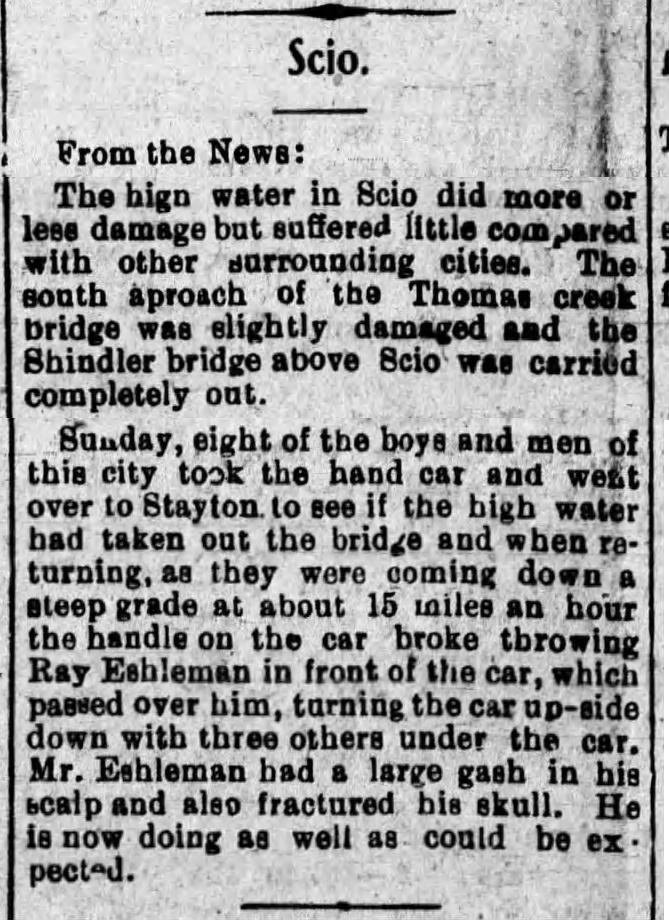
What brought Ray over 2,600 miles from his family home in Michigan to Oregon? Usually I’m able to find a sibling or other family that precedes such a journey, or land claim enticements that promise hundreds of acres. In this case Ray seems to have had enough of the textile mill machinery and succumbs to his restless pioneer spirit. Evidence of Ray’s recklessness continues to show up in Scio, when at the age of 24 shortly after Thelma was born, Ray and some local boys commandeer a railroad hand car:
Linnie’s maternal great grandparents, John and Anna (Hoff) Streithoff, arrived in Oregon from Fairfield County, Ohio in 1845 with a family of nine children ranging in age from 28 to seven year old Sarah Jane, Linnie’s future grandmother. John made this journey at the age of 55, his wife Anna was 49. John received 640 acres along the south fork of the Santiam River just north of Lebanon under the Oregon Donation Land Claim Act.
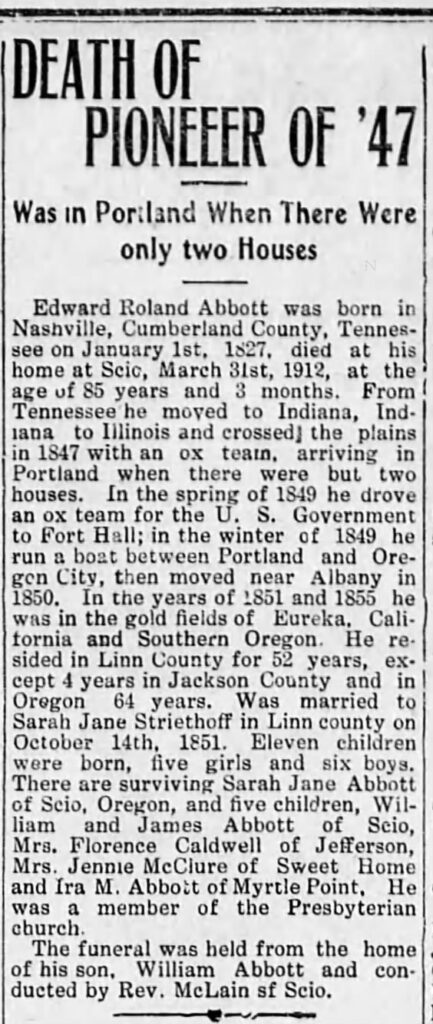
Linnie’s maternal grandfather, Edward Roland Abbott was another early Oregon pioneer that crossed the plains with an ox team. His adventurous life is described in this 1912 obituary in the Albany Democrat:
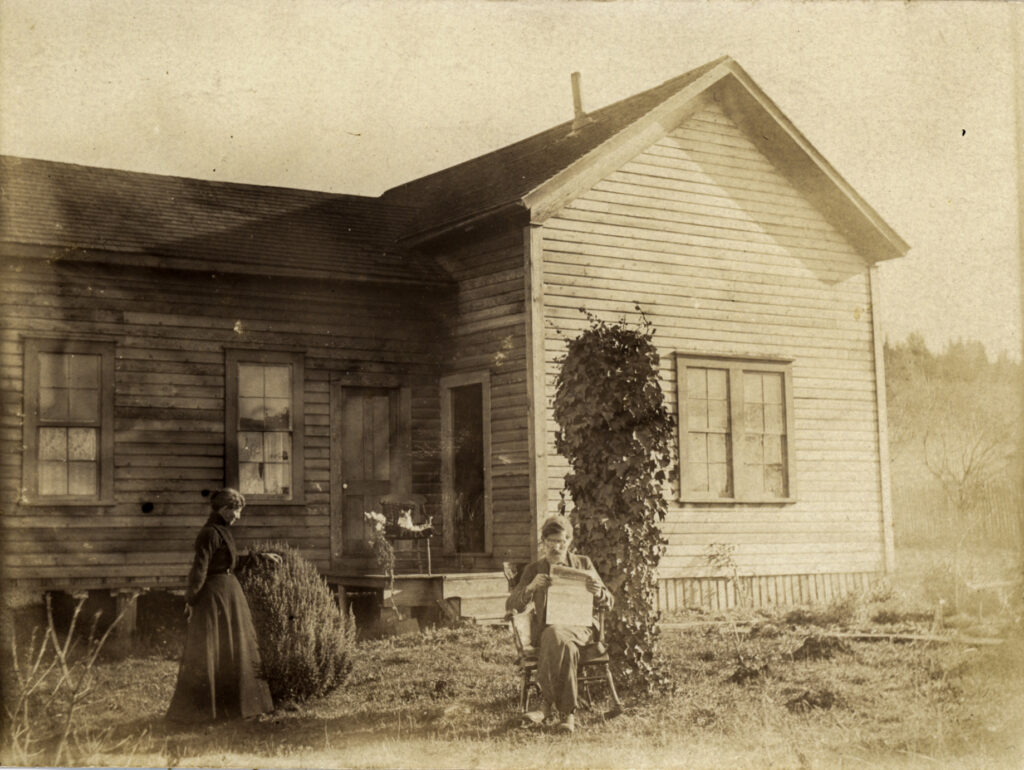
Edward Abbott and Sarah Jane Streithoff were married in 1851 in Linn County, Oregon and also received 640 acres, just south of John Streithoff’s property, in Land Grant in 1881. Edward and Sarah built their home on this acreage near Scio and raised their family of six children that survived childhood. Here’s a photograph from around 1885 of the couple in front of their Scio home:
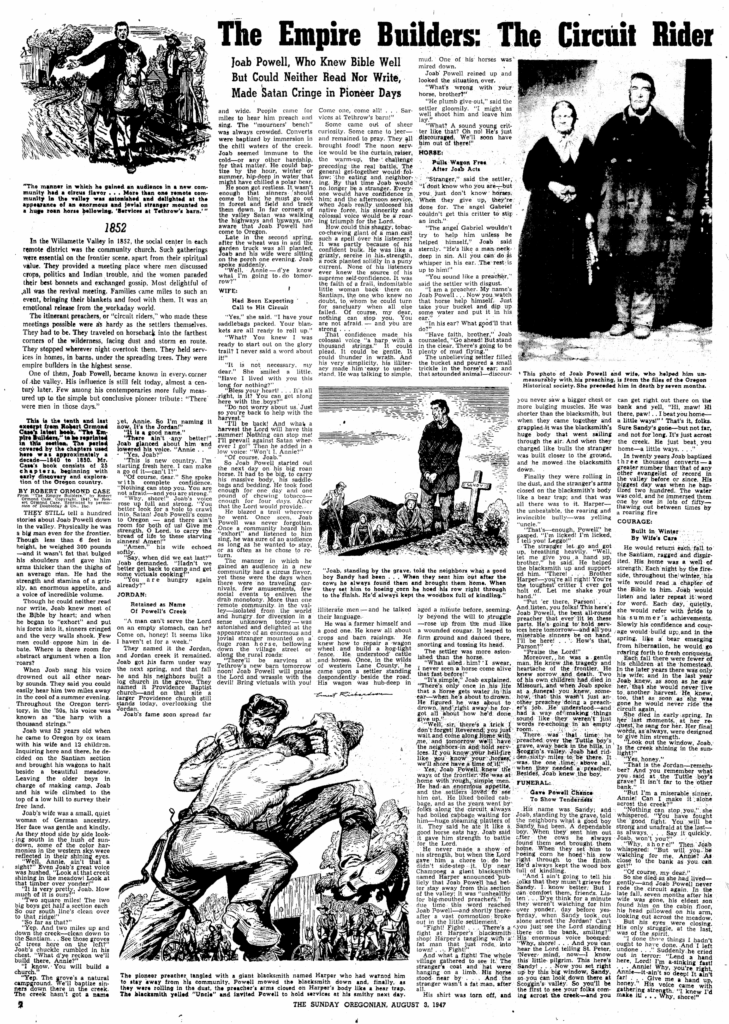
Several of the Abbott children married into other Oregon pioneer families in the area. Their first child, William Abbott born in 1852, married Iva Powell born in 1870, the granddaughter of Joab Powell, a legend amongst early Oregon circuit rider preachers. In 1947 The Oregonian published a full page tribute to Joab as part of an Oregon Pioneers series:
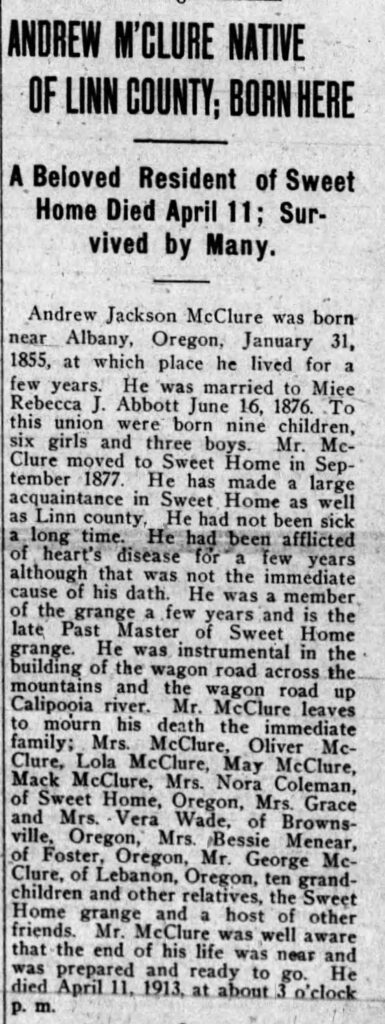
Two of Edward and Sarah’s daughters, Florence and Rebecca, also married into Oregon pioneer families. Rebecca’s husband, Andrew McClure, was instrumental in clearing early wagon trails:
That’s a lot of family to keep track of so here’s an Abbott and Watkinds extended family tree, Ray and Linnie (Watkinds) Eshleman’s family is shown on the previous Eshleman family tree:
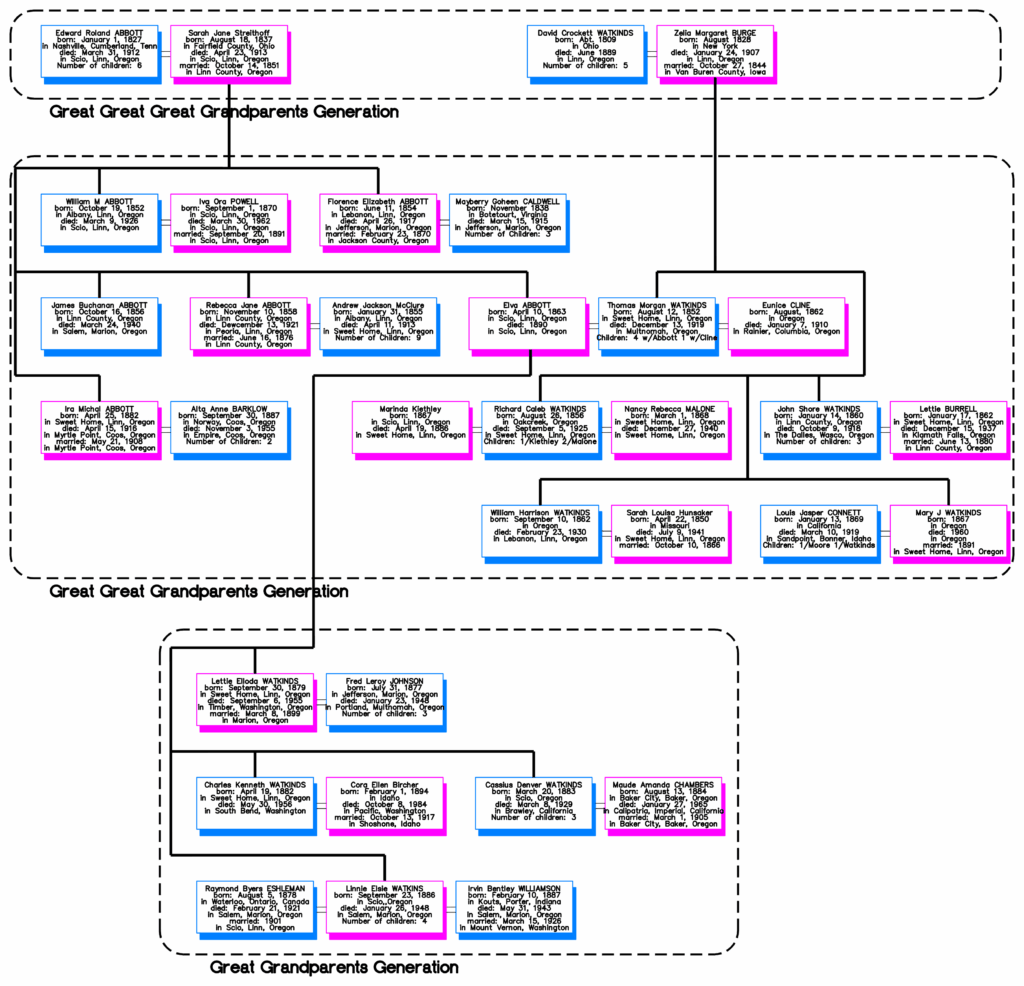
Edward and Sarah’s fifth child, Elva, born April 10, 1863, was Linnie Watkins’ mother and Debbie’s great grandmother. Elva was fifteen when she married 26 year old Thomas Watkinds in 1878. The 1880 census shows the young couple living with their first child, Lettie, on Elva’s parents’ property. Linnie was Elva and Thomas’ fourth child and Elva tragically died in 1890 at the age of 27, less than six years after Linnie was born.
So, when 23 year old Ray Eshleman met and married 16 year old Linnie Watkinds in 1901, Linnie was living with her Abbott grandparents in Scio, Oregon. Ray and Linnie’s first three children; Thelma born in 1902, Olga in 1904, and Dorothy in 1905, were all born in Scio. It was around 1905 when Ray and Linnie moved to Estacada where Ray found work at a saw mill, most likely to provide lumber for the Cazardero Dam construction which began in 1902.
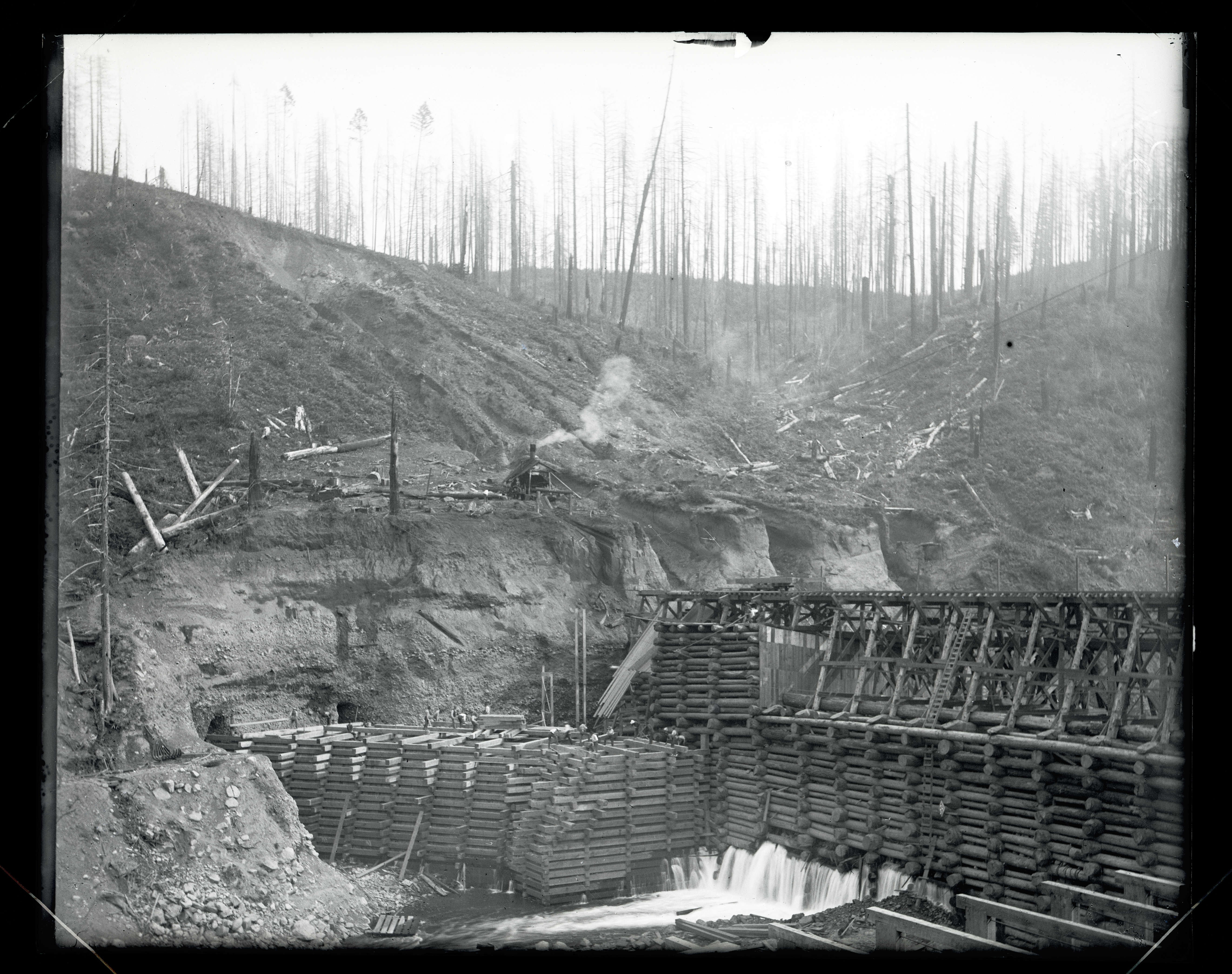
By the time Ray and Linnie’s last child, Raymond, was born in 1910 the family owned a home on Currin Street in Estacada. Access to timber required Ray to overnight in the lumber camps in the Cascade Mountain foothills outside Estacada which were often snowbound and required snowshoes to hike in.
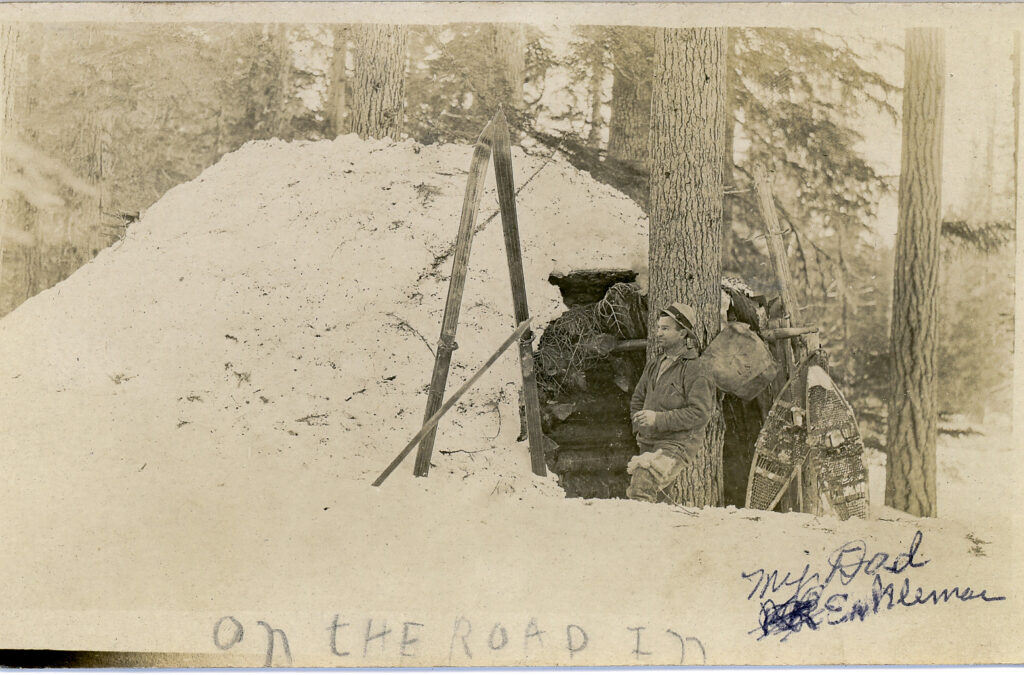
By 1917 Ray had sustained injuries from working in the hazardous timber industry which required him to relocate the family to Salem where he found work at the Oregon State Penitentiary as superintendent of the flax plant operations.
Ray’s father Samuel had moved with Annie from their home in St Clair, Michigan to Carstairs, Alberta, Canada where Samuel died in November of 1909 at the age of 59. Annie then appears on a ship’s passenger list arriving with her son Bert in June of 1920 to Seattle from Victoria, British Columbia, Canada with Salem listed as their final destination. The 1920 US census shows Ray as the head of household in Salem at 635 North 16th Street with Linnie, the four children, Ray’s mother Annie and brother Bert.
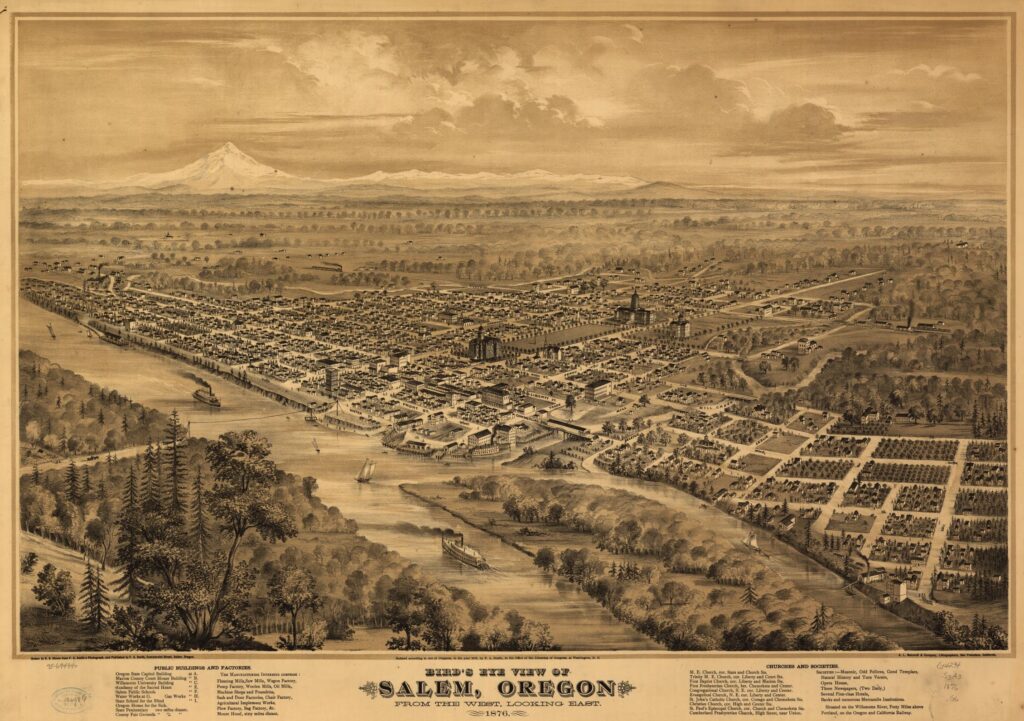
Pioneers in Salem, Oregon
We’ve now successfully navigated Debbie’s paternal ancestors from all across America to environs close to Salem, Oregon before the end of the nineteenth century. The Willamette Valley, where Salem is centrally located, has been populated by indigenous tribes for tens of thousands of years, the Kalapuya tribes’ being the most recent with established homelands in the valley. The first people of European descent arriving in this area in the early 1800s were trappers supplying the fur trading companies located in Astoria. The first permanent American settlement in the area were Methodist missionaries that established the Oregon Institute in 1842, later to become Willamette University, on a site that still exists in downtown Salem. The ancestors we’re discussing started arriving in the Salem area only a few decades after this first settlement.
The US census indicates that Salem’s population was 2,538 in 1880. By 1900 it grew to 4,258 and ten years later it more than tripled to 14,094. Our ancestors were part of a migration fueled by an improved national train transportation system, cheap land and a temperate climate.
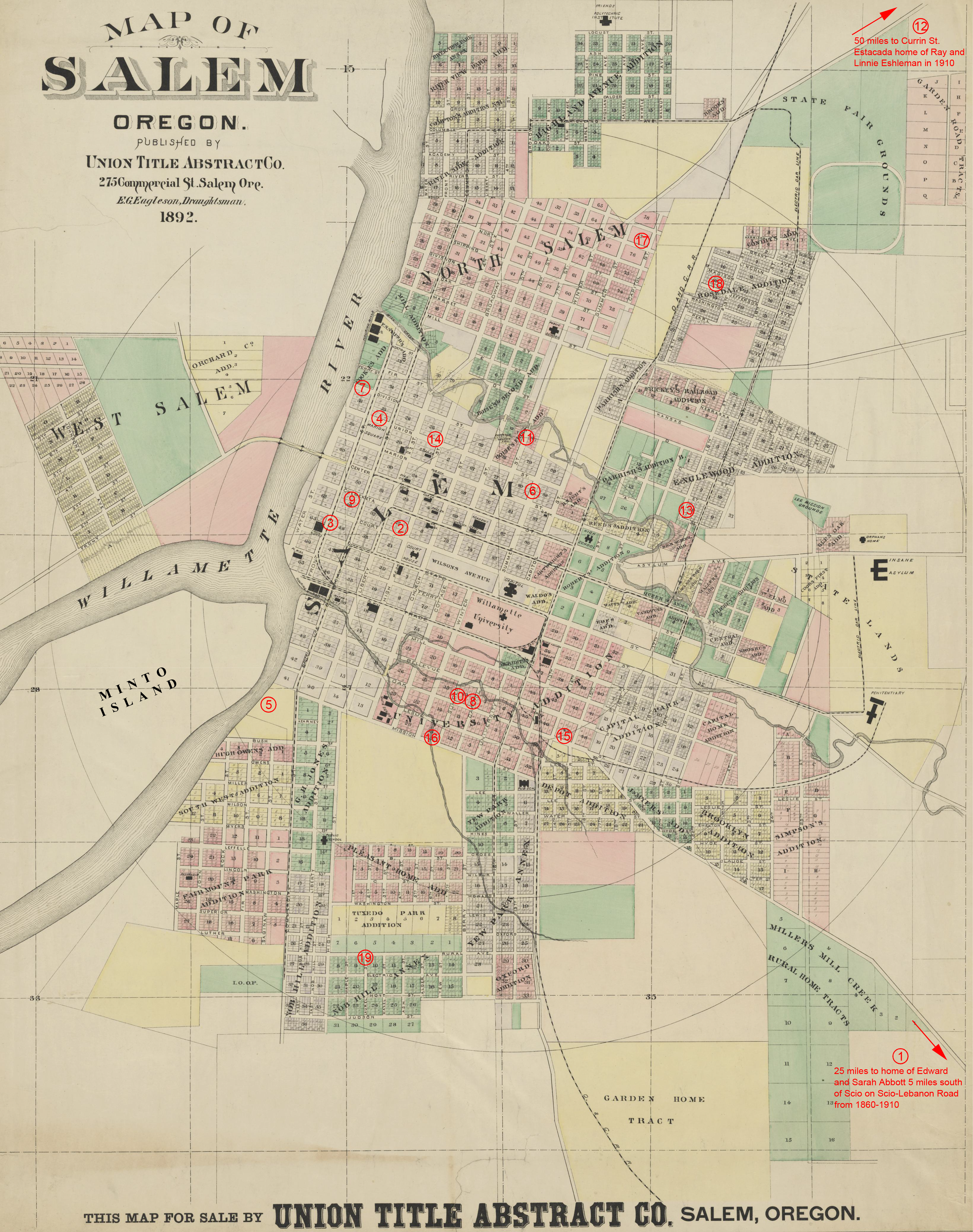
One of the more interesting aspects to this review is how the ancestral families ended up clustering to Salem’s emerging urban center. In 1900, 60% of Americans lived in rural areas, and my previous ancestral reviews have reflected family communities, typically agrarian, spread across regions or counties. With this difference in mind I thought I would show the families’ residences on an early Salem map key noted to descriptions of their arrival in Salem. Reviewing the map, it’s possible to get a sense of the community the families created in Salem. I’ve included in the description notes any photos, obituaries, or newspaper articles that describe this period in Salem. A wonderful feature of early newspapers was their social reporting that brought to life visits from out of town guests or family gatherings that describe not only the guests but what they wore and ate!
The identifier number at the start of each Salem family residence or business property description corresponds to the key note shown at the property location on the 1892 map in the middle of the list:
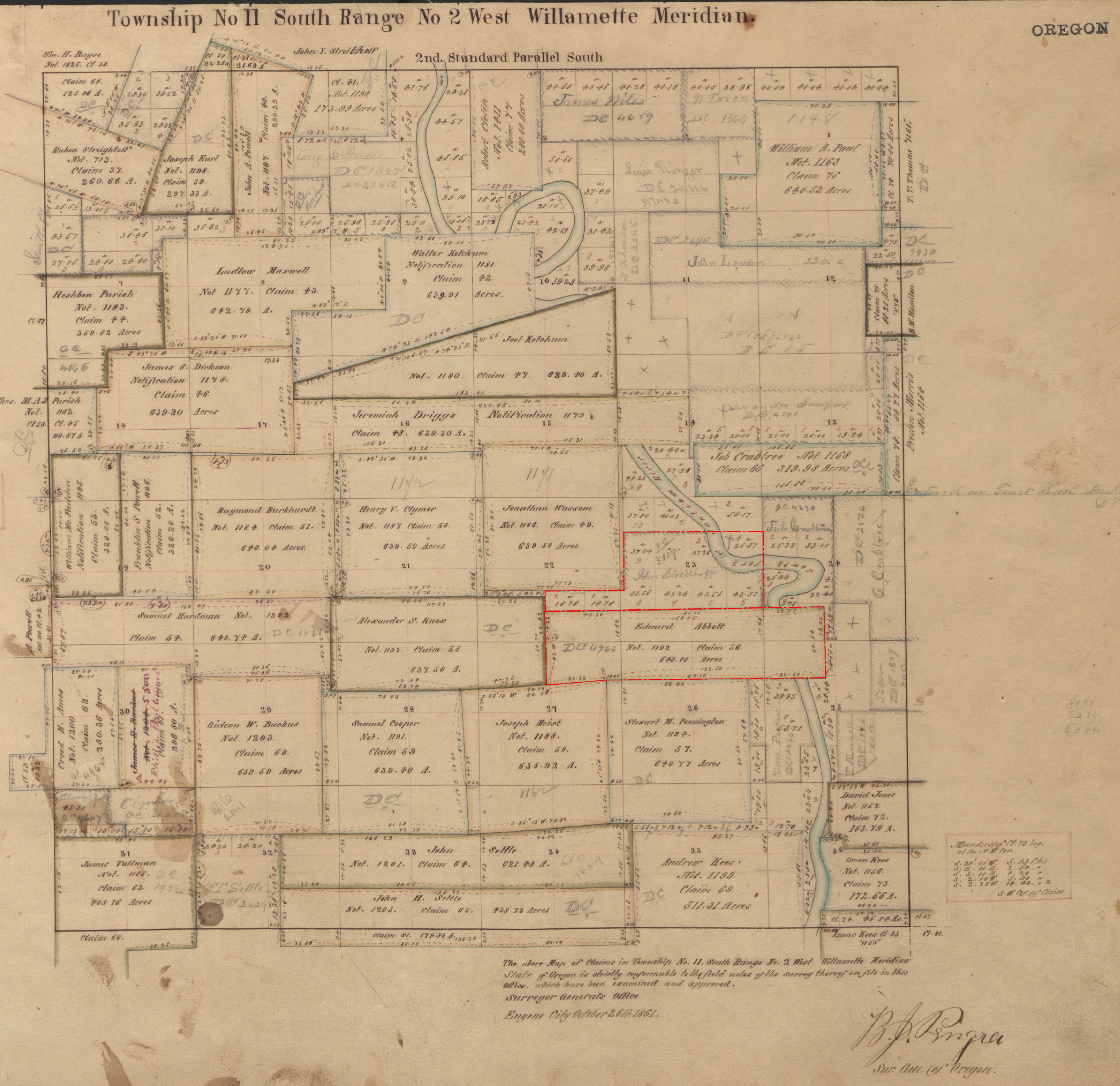
 Edward and Sarah (Streithoff) Abbott received a 640 acre land claim within a days horse ride of Salem, 5 miles south of Scio, and were one of the first direct ancestors in the region. As we learned in the Abbott family discussion, twenty year old Edward arrived in Oregon in 1847 with an ox team from Illinois at about the same time as ten year old Sarah arrived with her parents’ family from Ohio. Here is a plat map showing the properties claimed by the Abbott and Streithoff families along the Santiam River in 1852 outlined in red:
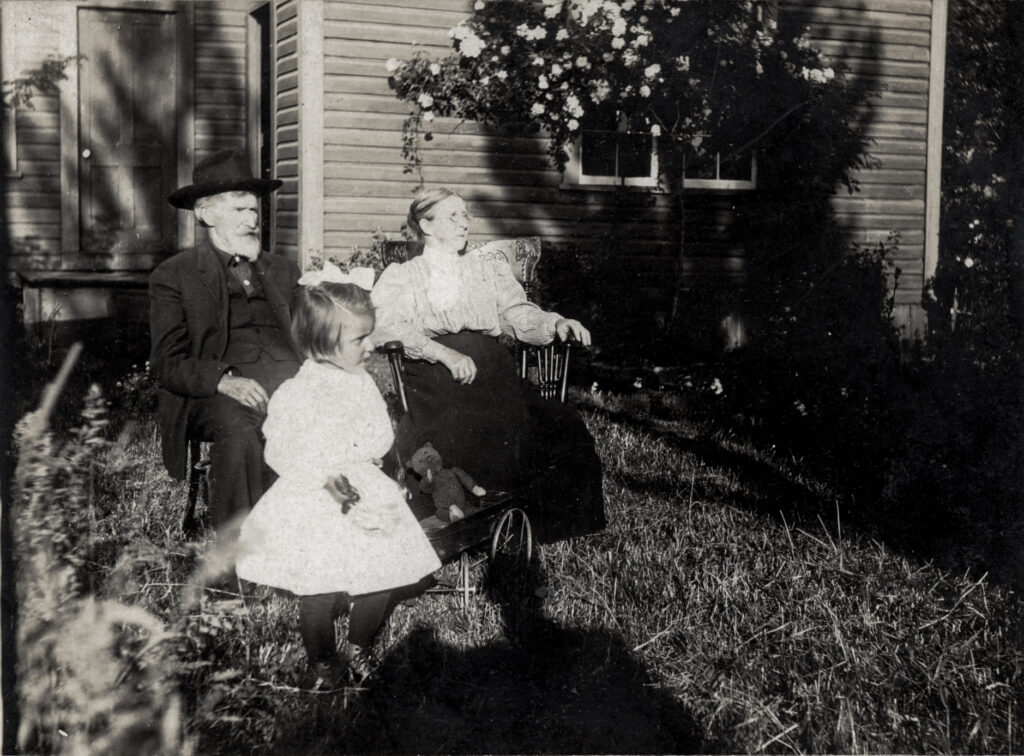
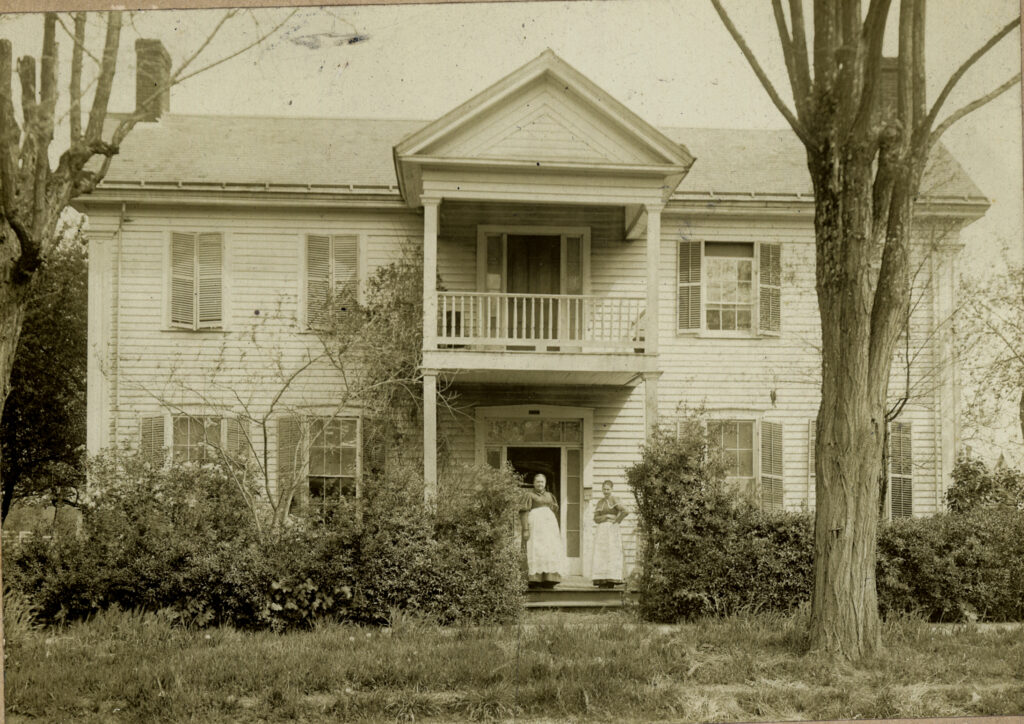
An 1885 photo of Edward and Sarah Abbott’s home that they built on the Abbott land claim in Scio is in the above previous discussion of their arrival to Oregon. Here is another photo of the same house taken twelve years later which includes their great granddaughter, Olga Eshleman (Debbie’s grandmother). When this picture was taken Edward was 80, Sarah was 70 and Olga was 3.
 I discussed in the Brown family section how John Patterson’s (b. 1819, d. 1874) two trips to Oregon in 1862 and 1868 became the impetus for several Brown and King families to follow him to Oregon. Although I don’t know where John and Eliza Patterson lived in Salem for the six years before his death in 1874, it might have been in the family residence at 481 Court street referenced in his daughter’s, Margaret Angeline “Lina”, obituary below. Lina was the sister-in-law of Thomas Blacklock and Mary Jane (King) Brown (Debbie’s great great grandparents).
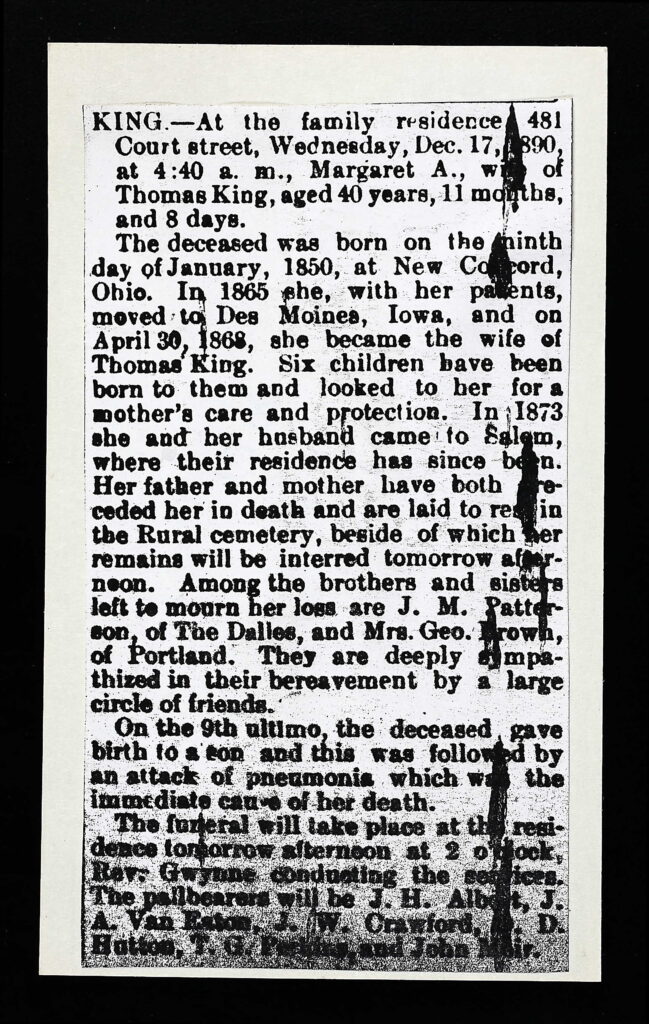
Thomas and Lina (Patterson) King arrived in Salem with the first three of their children in 1873, a year before John’s death. The family appears in the 1880 census in a residence on Liberty Street, one block away from the Court Street home.
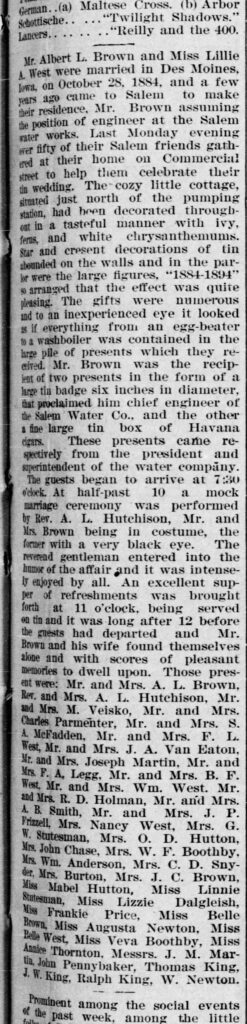
 The first of the Brown in-laws influenced by John Patterson’s journey to Salem was Albert and his wife Lillie (West) Brown. Albert and Lillie left Des Moines for Salem in 1890 with their five year old daughter Blanche. Albert assumed an engineer’s job with the Salem water works, the family taking residence at 154 Commercial Street was apparently quickly accepted into the Salem community by the sounds of this November 1894 Statesman Journal article on their ten year wedding anniversary:
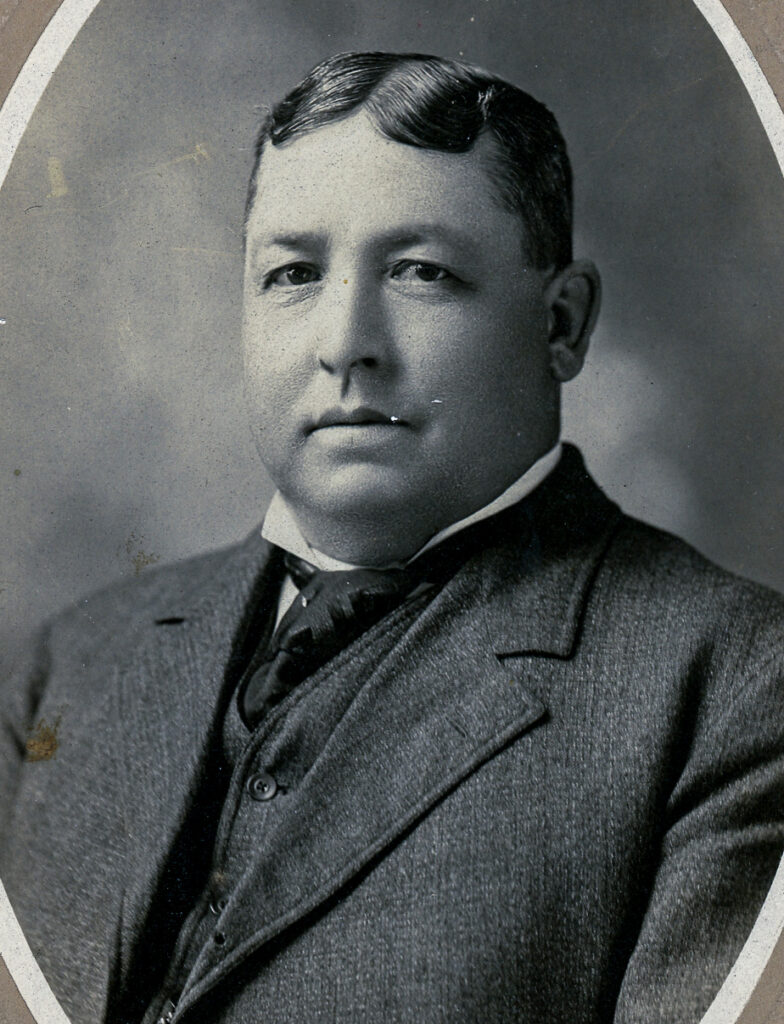
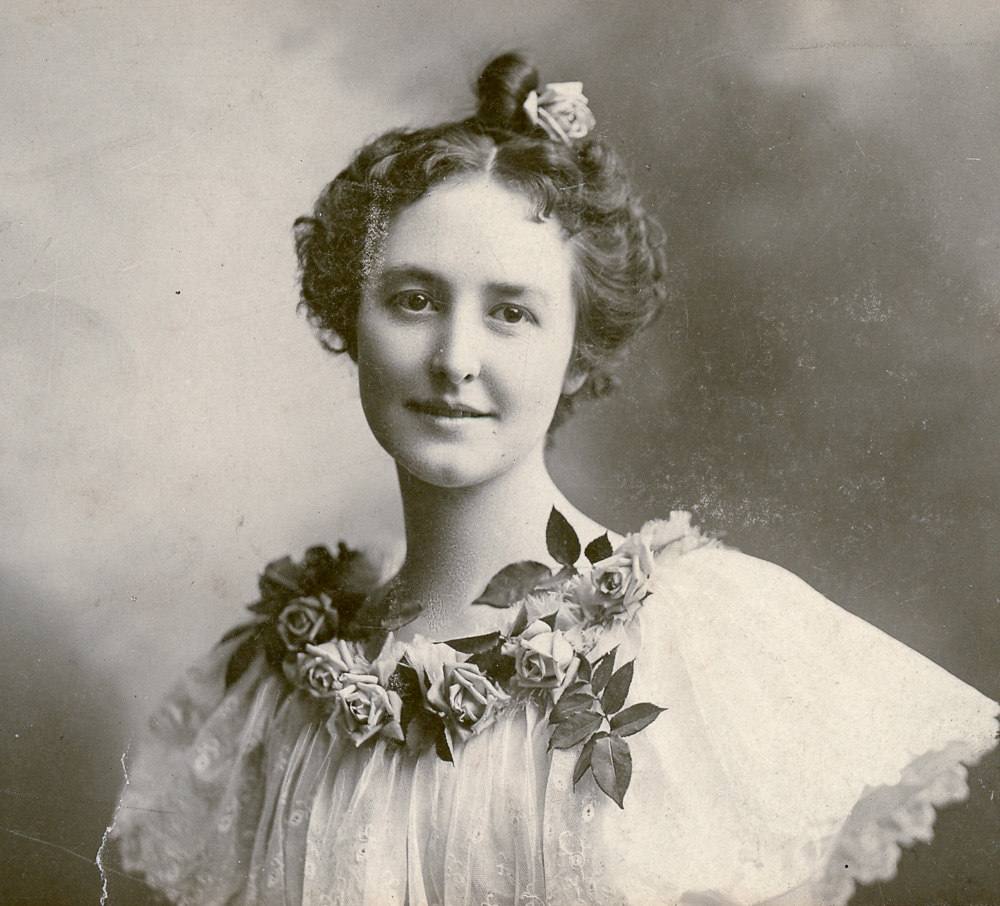
 Two years after Thomas Brown died in 1889 in Des Moines, Iowa, his wife Mary (King) Brown and their two daughters Mary “Belle” and Jeanette made the train journey to Salem in 1891. The new arrivals are listed in the 1900 US Census; 65 year old Mary, 32 year old Belle, 22 year old Jeanette and three boarders living at 237 Union Street.
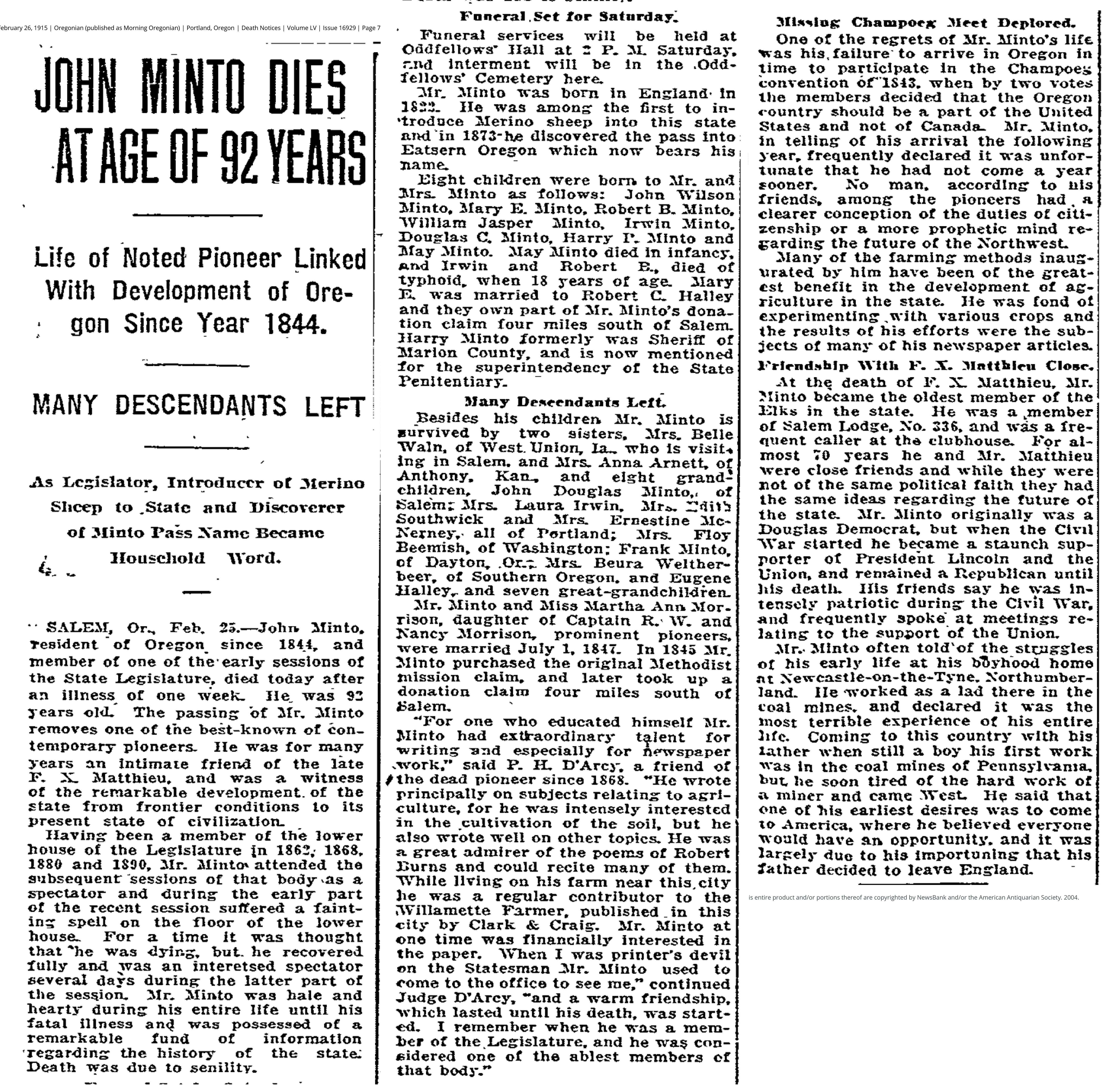
 In 1904 Jeanette Brown married Douglas Minto, son of John Minto an early Oregon pioneer and state legislator. Here’s how The Oregonian described John Minto’s life in their obituary in 1915:
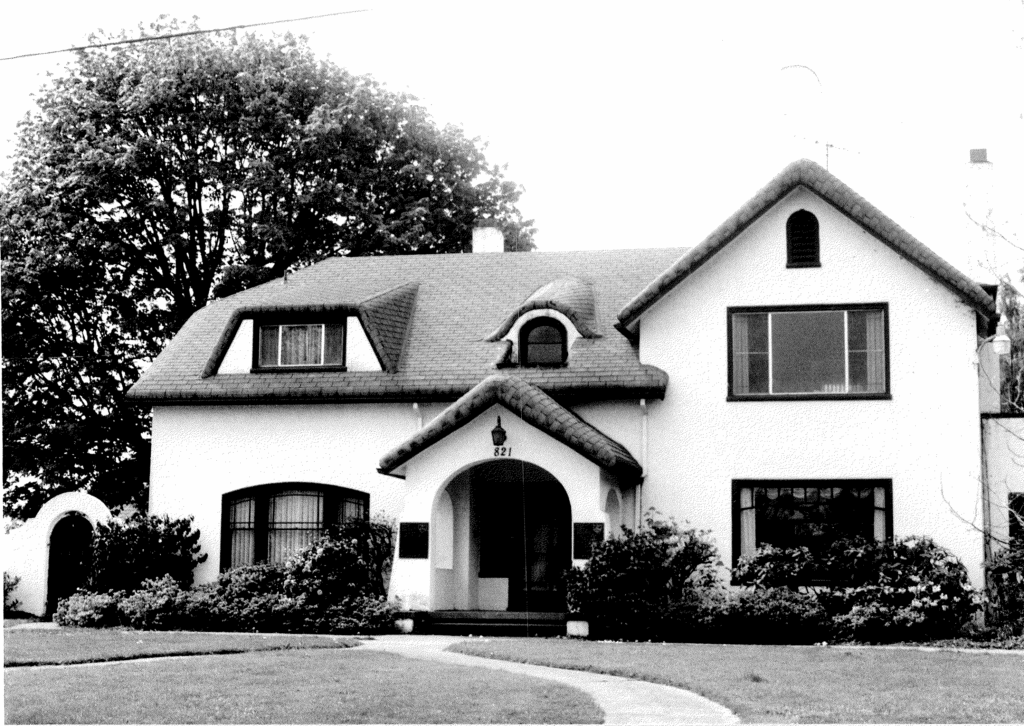
Douglas and Jeanette (Brown) Minto initially took up residence at 201 Mission Street in Salem, however after his fathers death in 1915 Douglas took charge of the family’s agricultural interests on nearby Minto Island and purchased property at 821 Saginaw Street which directly overlooks Willamette Slough and the island beyond. Of all the homes in this review this home is the only one that I know of that still exists today.
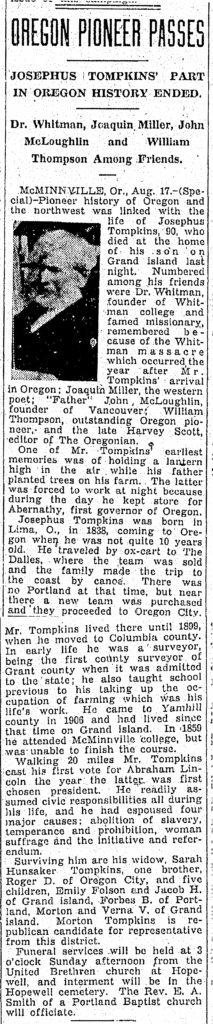
 In 1907 Belle Brown married Daniel Dean Thompkins whose father arrived to Oregon City by ox cart from Ohio in 1847. The obituary below describes Daniel Thompkins’ father’s pioneer life in the Oregon Territories. Daniel’s father, Josephus, lived to 89 years of age. His obituary published in August of 1928 doesn’t list his son, Daniel, because Daniel had already died in 1922 at the age of 48. Belle and Daniel’s home after their wedding in 1907 was at 551 North Summer street in Salem.
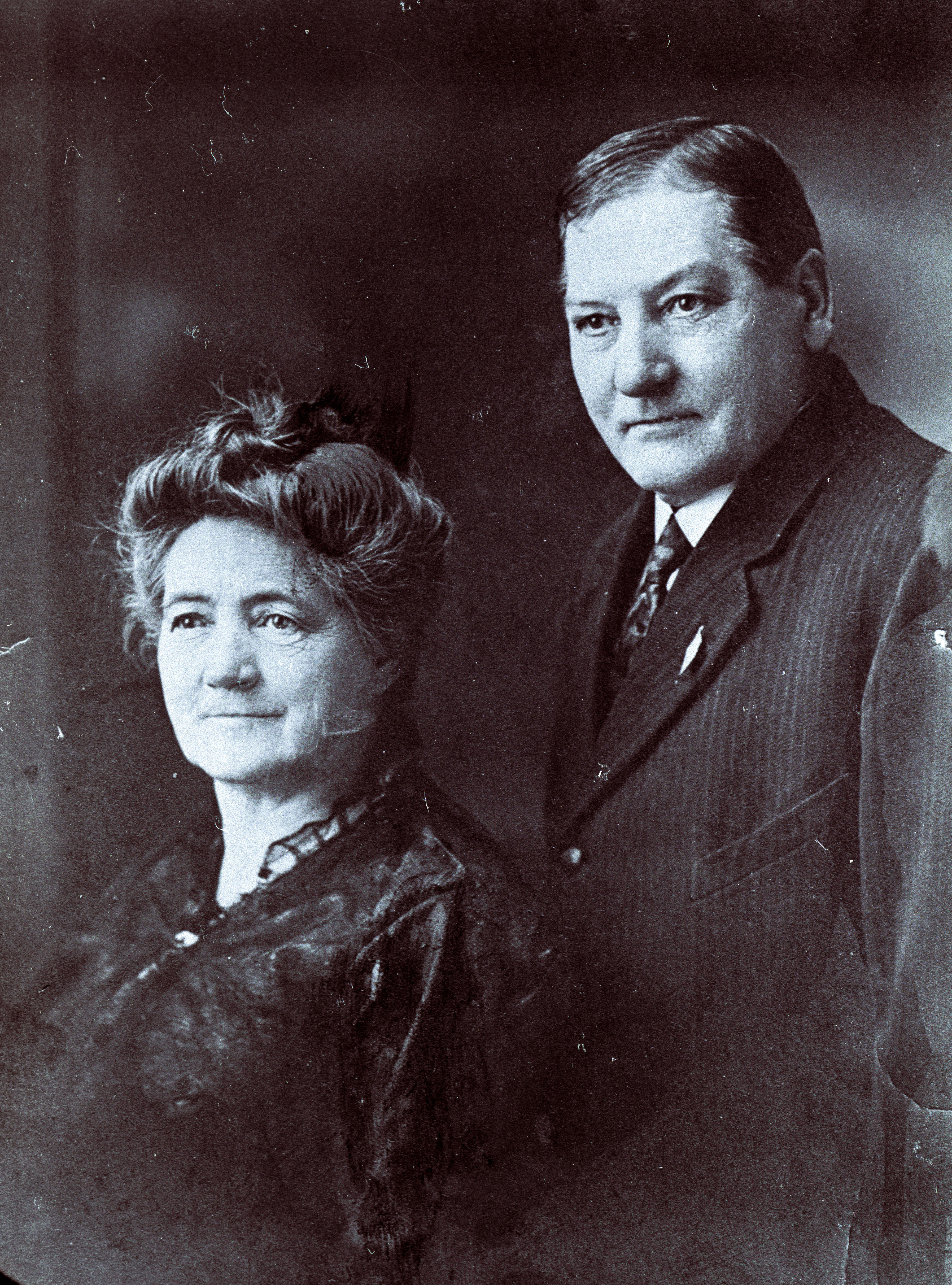
 David Blackstone and Lizzie (Irwin) Brown were the last of the Brown and King families to make the move to Salem with their two youngest children, Ruth and George, from Des Moines, Iowa in 1913, thirty-nine years after John Patterson instigated the first journey in 1878. This was a significant decision since David and Lizzie are Debbie’s great grandparents and moving to Oregon was necessary in order to establish the Brown and Eshleman families’ connection. This location was David and Lizzie’s first Salem home from 1913 until 1918 at 110 Division Street.
 Within a few years after arriving in Salem with her parents, David and Lizzie Brown, 23 year old Ruth Brown married 26 year old Hedda Swart, the deputy surveyor for Marion County in June of 1916. Their first home after the wedding was at 147 Union Street, but shortly moved to this location at 970 Oak Street, just a few houses away from Ruth’s parents, possibly to help care for their first child, Beverly, born in December of 1917.
 In April of 1919 David Blackstone Brown entered into a three year lease agreement to rent commercial property located at 252 Chemeketa Street for $15 per month in downtown Salem. At this location David established the “Iowa Machine Shop”, where, relying on his experience as a machinist in Des Moines, he began building a client base in Salem.
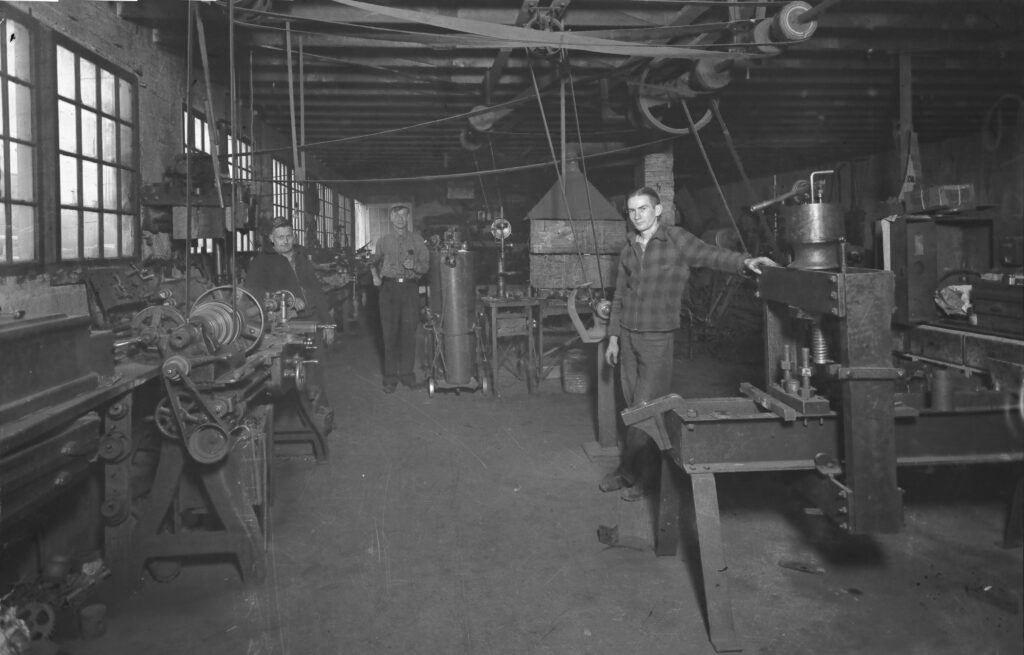
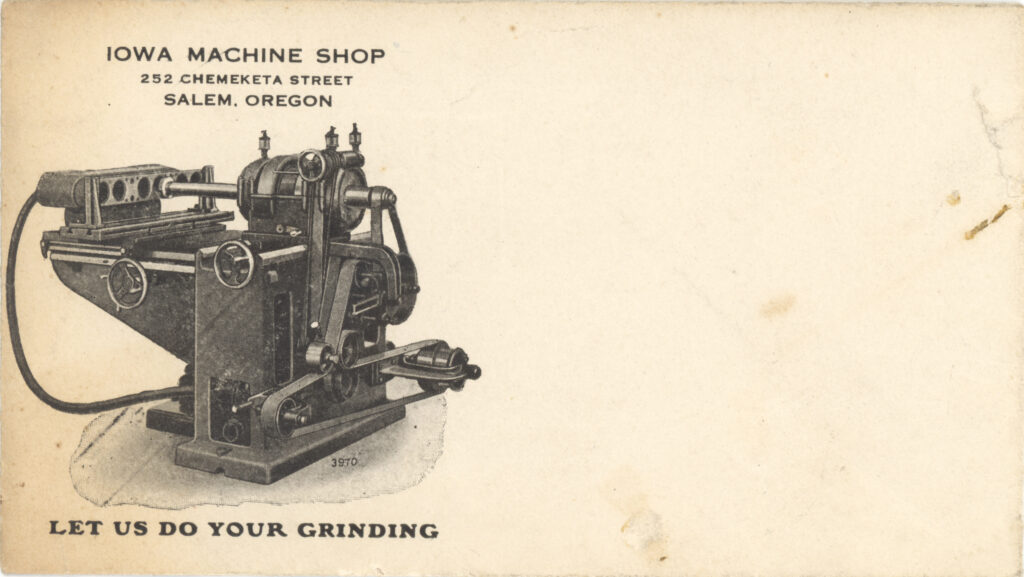
The Salem machine shop must have been a prosperous enterprise for David Brown because beginning in 1921 and continuing until his death in 1930 he invested in gold, silver, oil and mineral rights stock scams. These schemes were prevalent in the days when the Ponzi scheme was invented. There was no SEC and Wall Street was largely unregulated. Brown was swindled out of thousands of dollars at today’s values and by the number of uncashed insolvent company stock certificates handed down to family members almost nothing was returned. Here’s a sampling of certificates and letters of progress from the “gushers” in the oil fields:
 This is the home at 935 Oak Street of David and Lizzie Brown from 1918 until Lizzie’s death in 1940.
 When David Brown’s sister Agnes and her husband Oscar Moon moved to Salem from Des Moines in 1904 they first lived at 678 N Winter Street. They soon moved with their two children into this home next to Mill Creek at 772 Winter Street where they spent most of their life in Salem living close to Agnes’ sister Belle.
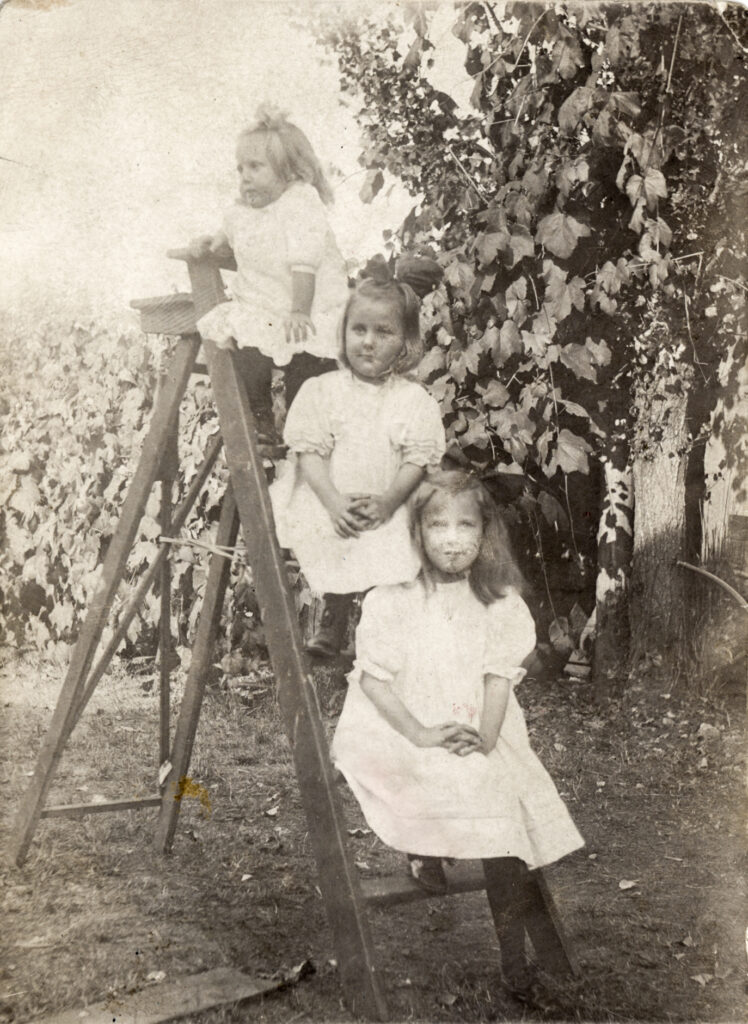
 Ray and Linnie (Watkinds) Eshleman lived in Scio on Linnie’s grandparents, Edward and Sarah (Streithoff) Abbott’s land claim for the first four years of their marriage (see key location 1 above). This key note map location is the home on Currin Street in Estacada the family moved to in 1905 where Ray worked in logging camps in the foothills of the Cascade Mountains until 1917 when the family moved into Salem.
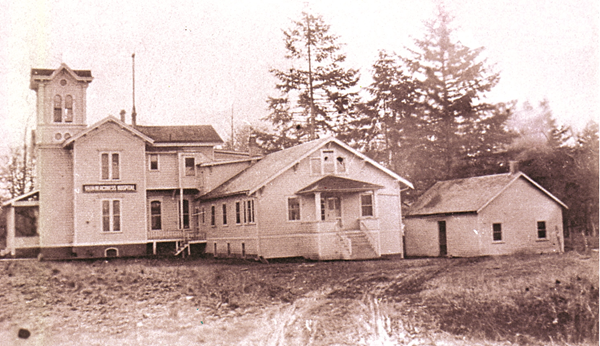
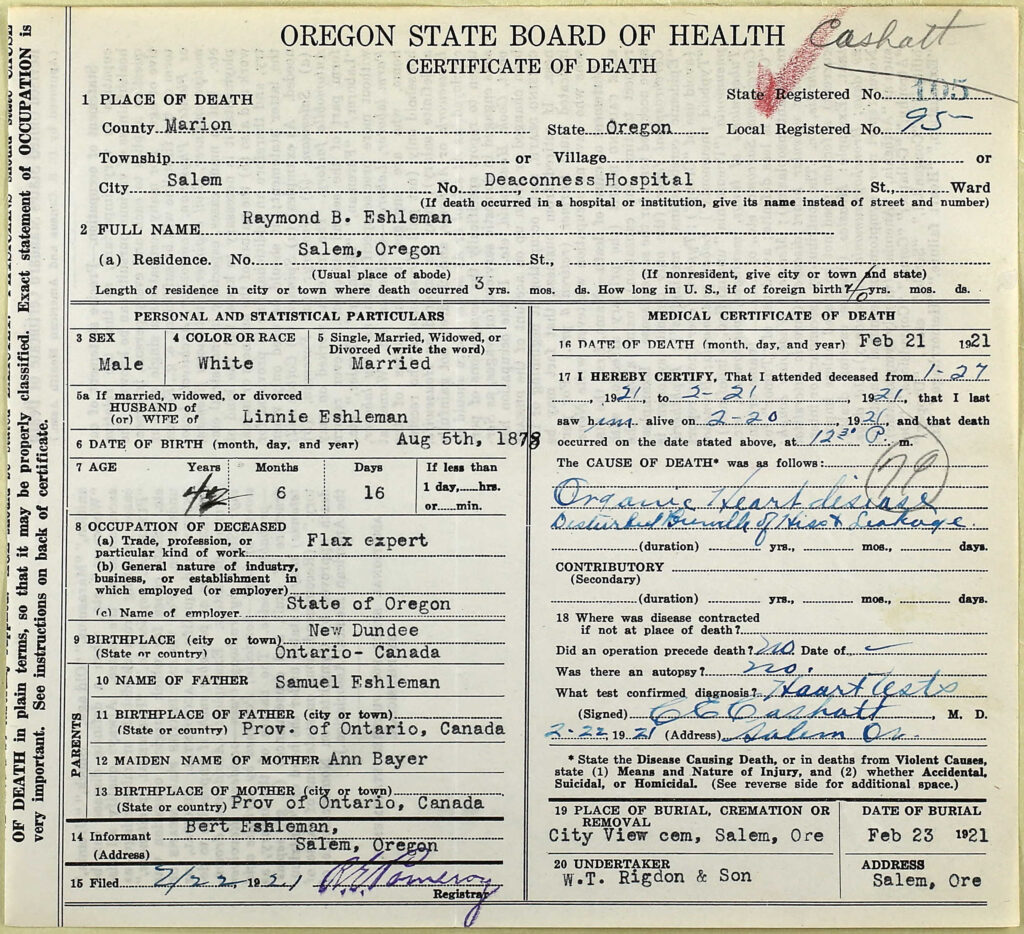
 This is the home at 635 North 16th St in Salem that Ray and Linnie moved to in 1917 with their children Thelma 14, Olga 13, Dorothy 12, and Raymond 7. In 1920 the family took in Ray’s 67 year old mother Annie and brother Bert 26. This blended family was living at this home when Ray died of heart failure at the Deaconess Hospital on February 21, 1921 at the age of 42. The Deaconess Hospital had been converted from the Capitol Hotel at 665 Winter Street (Salem Hospital’s current location) by Mennonite deaconesses in 1916. This hospital land location would play a further family history role as Olga’s future family home would be just around the corner at 895 Mission Street SE.
 After Ray died in 1921, Linnie moved to a home at 497 Union Street. Thelma was 18, Olga 17, Dorothy 16 and Raymond 11 helped out working jobs, such as in the local crop fields and often stayed with extended family in the area.
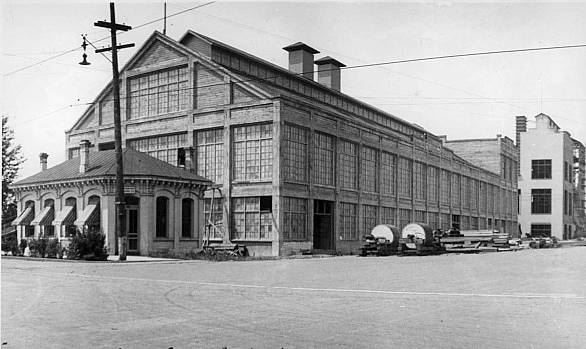
 In October of 1922 Ray and Linnie’s oldest daughter, Thelma Eshleman, married Hugh Wane who worked in the lab at the Oregon Pulp and Paper Company at the SW corner of Trade and Commercial Streets, a large employer in Salem at the time. This location was their home at 1455 Oak Street.
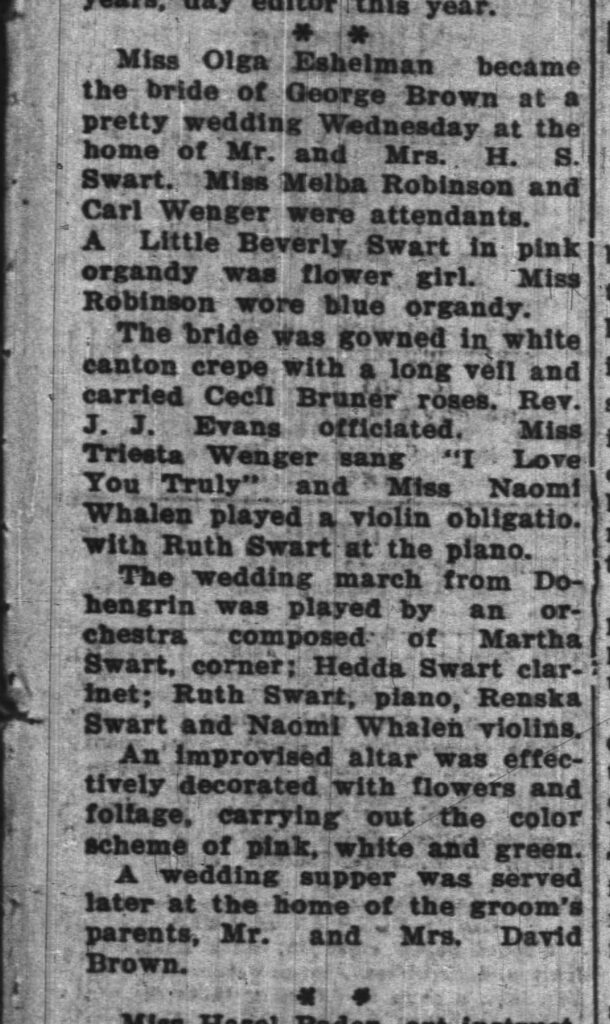
 On June 6, 1923 Ray and Linnie’s second child and Debbie’s grandmother, Olga Eshleman, married George Edward Brown at the home of George’s older sister, Hedda and Ruth (Brown) Swart. The wedding guests then walked down Oak Street to George’s parents house for a wedding supper. George and Olga lived with his parents from 1923 until moving into their home at 895 Mission Street a couple of blocks south in 1935.
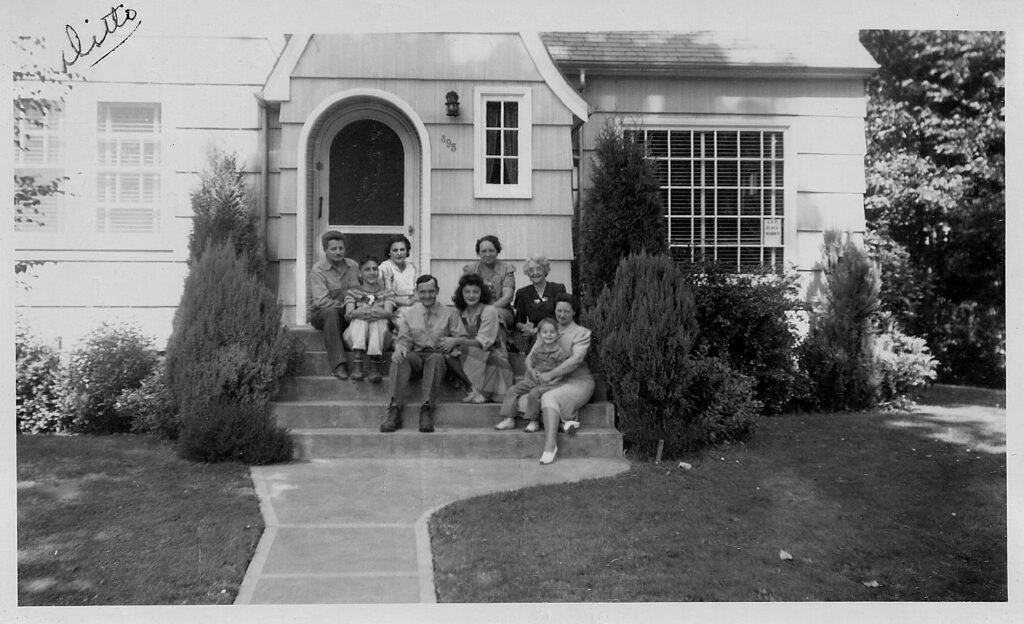
 In key note 12 above I mentioned that in 1920 Ray and Linnie (Watkins) Eshleman had taken Ray’s mother, Annie and his brother Bert into their Salem home after their relocation from Michigan. Sam and David Eshleman, two of Ray’s other brothers also came to Oregon at about this time. David settled in Clackamas, Sam and Bert took residences in Salem. After Ray died in 1921, Annie moved in with Sam’s family at this location at 925 Madison Ave. Sam married Elsie Livingston in Canada in 1913 and they had two daughters and four sons. Sam worked in Salem construction contracting.
 Bert Eshleman married Clara Page in 1922 and they lived in this home at 1064 Jefferson St. Bert worked in the grocery business and had three sons with Clara.
During the 1920s, quite a few of Ray Eshleman’s family followed him to Oregon; Ray’s mother, Annie (Beyers) Eshleman, three of Ray’s brothers and their wives, David and Mary (Womer) Eshleman, Sam and Elsie (Livingston) Eshleman, and Bert and Clara (Page) Eshleman, together with their children, so family gatherings were a common occurrence.
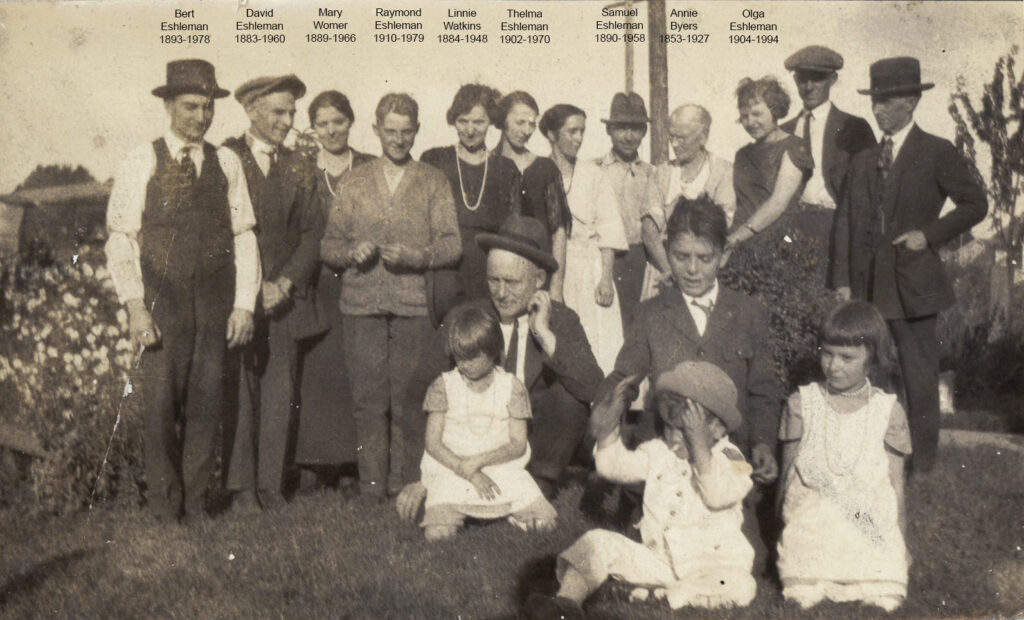
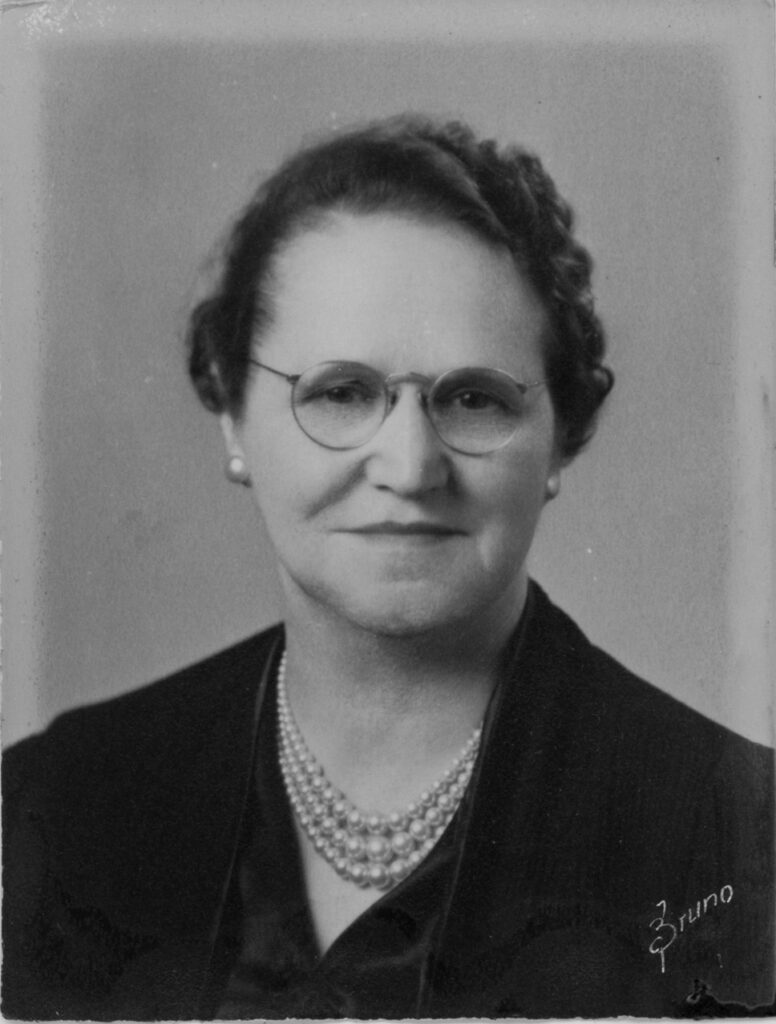
 Following the death of Ray Eshleman in 1921, his wife, Linnie, married Irvin Williamson in 1926. The picture below is Linnie and Irvin’s home at 1920 Cottage St in Salem. Linnie is on the right side of the porch and Belle Brown is on the left.
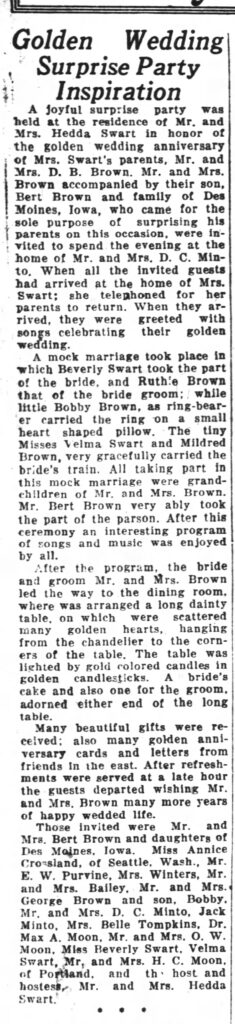
In September of 1930 David B. Brown died at the age of 72 of cerebral thrombosis after a history of hypertension. In December, the year before his death, his daughter, Ruth (Brown) Swart, hosted a fifty year wedding anniversary party for David and Lizzie at her home in Salem:
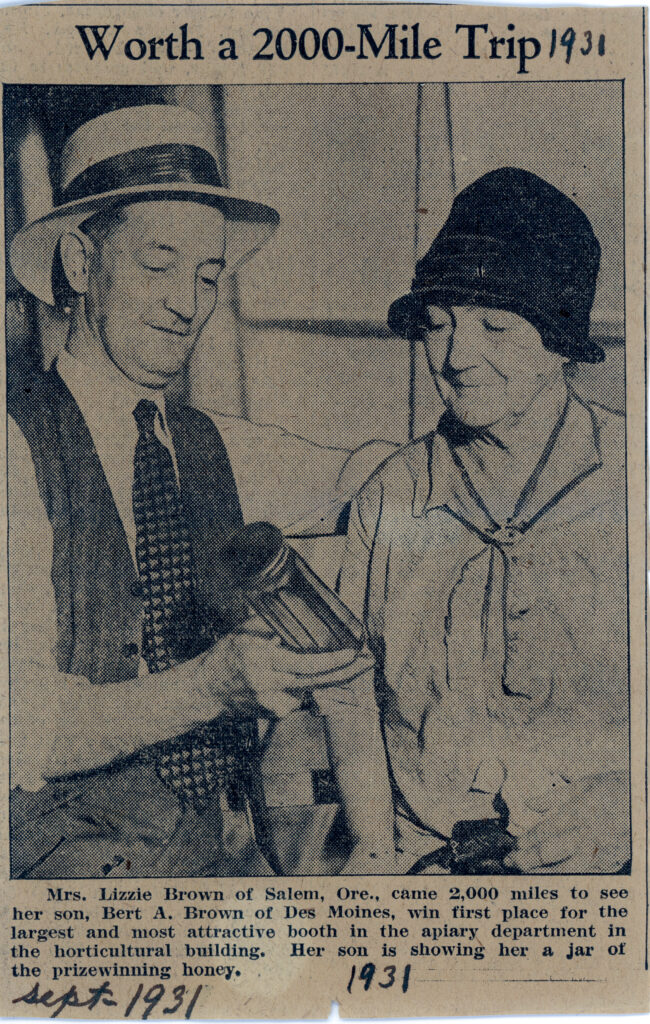
The following summer David’s wife Lizzie (Irwin) Brown made the trip back to Des Moines to visit her son Bert, who had won a first place award in the Iowa State Fair:
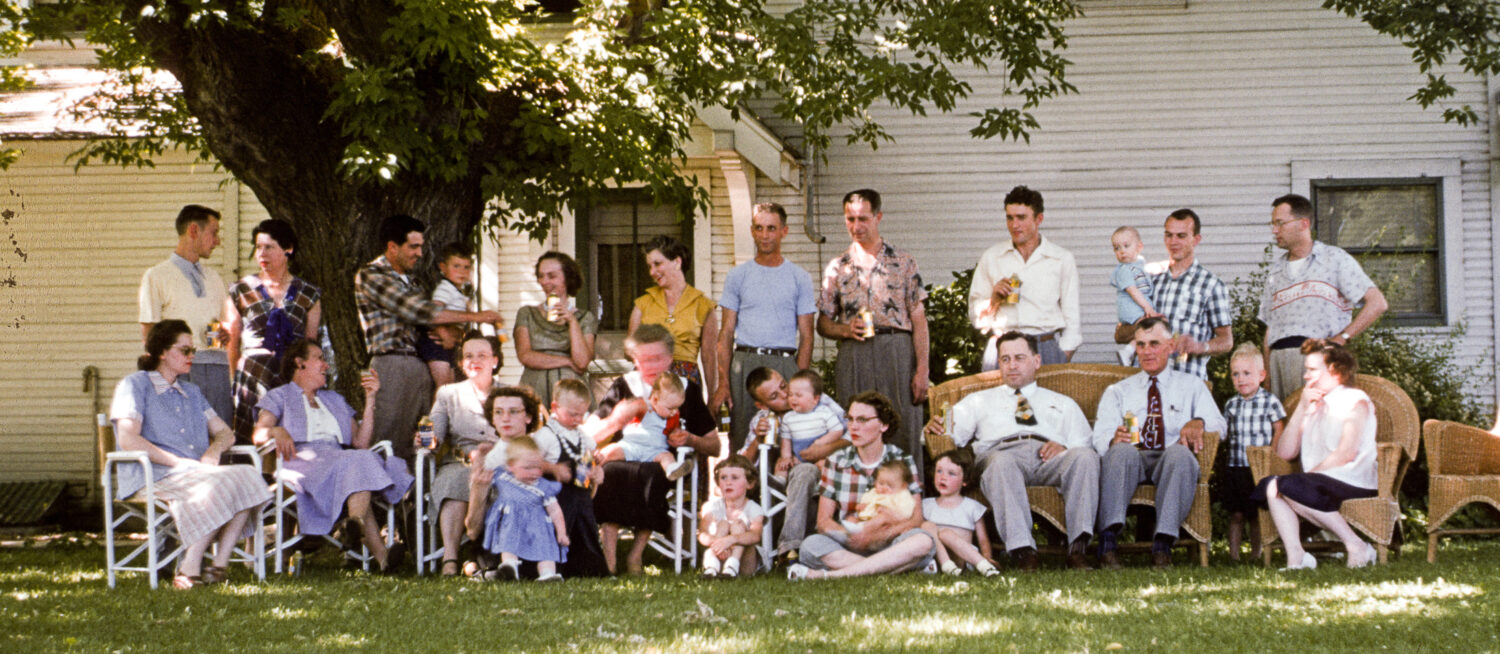
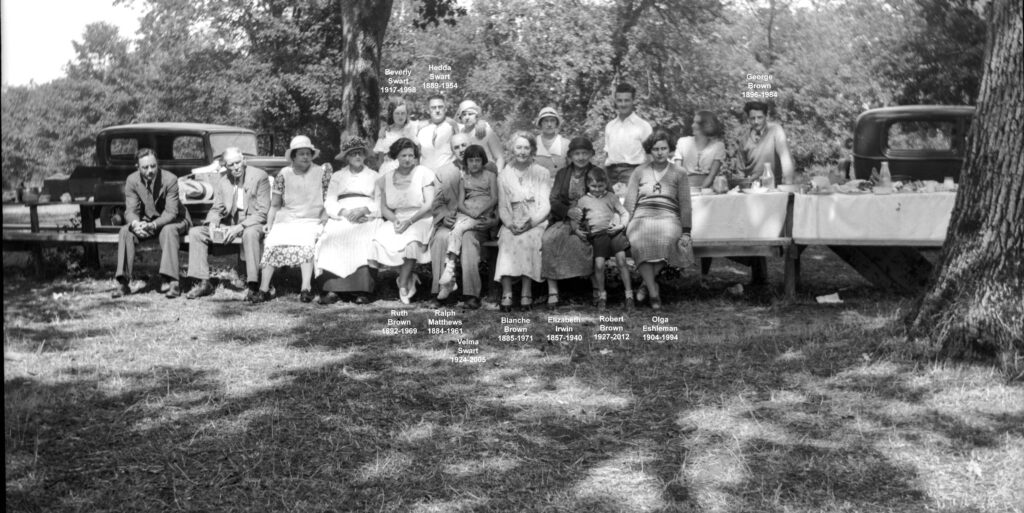
The 1932 family gathering photo below contains a number of Brown family relatives:
- Bob Brown, the focus of this Brown and Eshleman post
- Bob’s parents, George Brown and Olga (Eshleman) Brown
- Bob’s grandmother, Lizzie (Irwin) Brown
- Ruth (Brown) Swart (wife of Hedda) is Bob’s aunt and George Brown’s sister
- Blanche (Brown) Matthews (wife of Ralph) is George’s cousin (daughter of Albert and Lillie (West) Brown)
In February of 1940 Lizzie (Irwin) Brown died at the age of 82 from an extended affliction of broncho pneumonia.
Linnie (Watkins Eshleman) Williamson was the last of Robert Brown’s grandparents to die at the age of 61 in January of 1948 from a brain hemorrhage.
If we look back at the Brown – Eshleman Ancestral Tree at the beginning of this post we can see where the Brown and Eshleman families derive their Oregon pioneer heritage. In 1901, Ray Eshleman married Linnie Watkins, a fourth generation Oregonian whose maternal great grandparents, John and Anna (Hoff) Streithoff arrived from Ohio in 1845 and settled a land claim near Scio. Linnie’s grandfather, Edward R Abbott, travelled from Tennessee to Oregon in 1847 at the age of 20, settled a 640 acre land claim just south of John and Anna Streithoff’s claim and married their daughter Sarah in 1851. Edward’s adventures took him throughout the west, including the gold fields of California in the 1850s.
The earliest Brown family ancestor to make Oregon their home was Mary (King) Brown, who arrived in Salem from Des Moines, Iowa with her two daughters, Belle and Jeanette, in 1891 after her husband, Thomas died in 1889. Thomas and Mary’s son, Robert Brown’s grandfather, David, and Lizzie (Irwin) Brown, arrived in Salem from Iowa in 1913.